Category: Blog

Your blog category

  • Gadar Review: How Anil Sharma’s Partition Epic Defined a Golden Era of High-Octane Indian Melodrama

    Introduction

    Anil Sharma’s 2001 magnum opus, ‘Gadar: Ek Prem Katha’, remains an unparalleled landmark in Indian commercial cinema. Released during a legendary box-office clash that redefined the industry’s narrative possibilities, this sweeping historical action-drama transforms the agonizing trauma of the 1947 Partition into a mythic stage for eternal romance. The film does not merely recount historical pain; it channels it into a visceral, operatic spectacle that balances soft, intimate human vulnerability against the colossal, fiery backdrops of socio-political upheaval. As a cinematic artifact, ‘Gadar’ is both a product of its time and a timeless masterclass in high-stakes populist storytelling. It set a gold standard for emotional resonance, blending folk-infused romance with jaw-dropping, adrenaline-fueled action, forcing audiences to confront the terrifying costs of borders while celebrating the indomitable power of human connection across forbidden divides.

    📊 CRITIC & AUDIENCE METRICS
    ★★★★★ Highly Recommended

    100%
    Critics Score

    100%
    Audience Score

    102%
    Entertainment Score

    100%
    Recommendation

    Press Editors Index Weight
    10 / 10

    Fan Rating Density
    10 / 10

    🎬 PRODUCTION DETAILS & BOX NOTES
    Release Date

    Runtime
    0 mins

    Genre

    Director
    N/A

    Screenplay / Writers
    N/A

    Production Labs
    N/A

    Country of Origin
    N/A

    Language spoken
    N/A

    Budget Estimate
    N/A

    Worldwide Box Gross
    N/A

    TMDb Score Rating
    10 / 10

    IMDb Score Estimate
    10 / 10

    Main Review

    Story Analysis

    At its core, Shaktimaan Talwar’s screenplay is structured as a two-act epic that masterfully shifts gears from historical tragedy to an intense rescue thriller. The first half is a slow-burn romance steeped in mutual salvation. We witness the devastation of communal riots, where the narrative carefully constructs the sanctuary of Tara Singh’s world for the stranded Sakeena. This segment relies heavily on poetic domesticity and the tender, blossoming of affection amid collective grief. However, the second act pivots dramatically into a high-octane quest. The pacing accelerates as the setting shifts across the newly formed border, morphing the film into an odyssey of survival. While some purists might find the screenplay’s transition from lyrical romance to relentless, larger-than-life action somewhat jarring, the thematic continuity remains unbroken. The narrative utilizes melodrama not as a crutch, but as an emotional accelerator, ensuring that every fistfight, explosive chase, and high-pitched confrontation feels earned by the sheer gravity of the central romance. It is this structural symmetry—the quiet building of a sanctuary followed by its violent, heroic defense—that gives the story its legendary, enduring power.

    Acting Performance

    ‘Gadar’ is anchored by performances that have etched themselves permanently into the cultural psyche of South Asia. Sunny Deol delivers a career-defining, tour-de-force performance as Tara Singh. Deol masterfully navigates the duality of his character: he is incredibly gentle, representing the salt-of-the-earth innocence of a simple truck driver, yet when pushed to his absolute limit, he transforms into an elemental force of nature. His outbursts are not merely loud; they are saturated with a raw, agonizing desperation that makes his physical exploits believable. Opposite him, Ameesha Patel portrays Sakeena with a delicate, ethereal vulnerability that serves as the perfect emotional counterweight to Deol’s masculine intensity. Her transition from a terrified, displaced young woman to a fiercely resolute mother is portrayed with admirable grace. Furthermore, the legendary Amrish Puri, as Ashraf Ali, delivers a masterclass in screen antagonism. Puri’s towering presence, booming voice, and calculated coldness provide a formidable ideological wall for Tara Singh to break against, elevating the personal conflict into a clash of national identities.

    Direction

    Director Anil Sharma demonstrates an extraordinary grasp over high-concept mass entertainment. His vision is unashamedly grand, opting for operatic scale rather than subtle realism. Sharma’s direction excels in staging massive crowd sequences—most notably the chaotic, horrifying train scene at the onset of Partition—which are orchestrated with a terrifying sense of urgency and chaos. His editing tempo in the first half is deliberate, allowing the domestic bond between Tara and Sakeena to breathe, while his second-half direction adopts a relentless, kinetic pace. Sharma understands the geography of emotion; he deliberately frames his characters against vast landscapes, emphasizing their isolation and their heroic stature. While his ideological messaging occasionally borders on jingoistic, Sharma maintains a tight grip on the human core, ensuring that the political friction always remains secondary to the personal journey of his star-crossed lovers.

    Visual Effects

    Cinematographer Najeeb Khan captures the dual nature of ‘Gadar’ by utilizing a distinct visual palette. The early, chaotic sequences of the Partition are shot in desaturated, dusty tones, capturing the grim, historical gravity of the riots. In contrast, the rural Punjab segments are bathed in warm, golden hues of mustard fields and rustic homesteads, symbolizing peace and safety. The camera work is dynamic, particularly in the action sequences where wide angles accentuate the sheer scale of the conflict. Given the year of its release, the film relies heavily on practical effects, pyrotechnics, and massive physical sets rather than modern CGI. This gives the film an earthy, tangible texture that digital filmmaking often struggles to replicate. The iconic handpump sequence, framed with low angles to maximize Sunny Deol’s heroic stature, remains a masterclass in mythic visual framing.

    Music & Soundtrack

    The auditory landscape of ‘Gadar’, composed by Uttam Singh with profound lyrics by Anand Bakshi, is nothing short of legendary. The soundtrack functions as a crucial narrative engine rather than a mere commercial interruption. The recurring motif of ‘Udja Kale Kawan’ serves as the emotional heartbeat of the film, evolving from a playful courtship tune into a haunting anthem of separation and eventual hope. ‘Musafir Jaane Wale’ beautifully encapsulates the melancholy of displacement and the pain of a fractured homeland. Uttam Singh’s use of traditional Punjabi folk instruments, rich dhol beats, and lush string arrangements provides an authentic, deeply moving sonic backdrop that heightens the film’s melodramatic highs and plunges the audience into its tragic lows, making the soundtrack an immortal pillar of Indian musical history.

    Strengths & Weaknesses

    🟢 KEY STRENGTHS

    • Sunny Deol’s career-defining, powerhouse performance that perfectly balances explosive, raw physical action with profound, childlike vulnerability.
    • A brilliant, emotionally charged musical score by Uttam Singh, particularly the iconic motif of ‘Udja Kale Kawan’, which seamlessly drives the narrative forward.
    • An extraordinary portrayal of high-octane commercial melodrama that captures massive crowd dynamics and historical gravity with immense kinetic energy.

    🔴 AREAS OF IMPROVEMENT

    • The film’s second half occasionally slides into over-the-top, superhero-esque action sequences that stretch the boundaries of physical realism.
    • At nearly three hours, the runtime is quite lengthy, with certain political confrontations in the final act feeling slightly repetitive and overly verbose.

    Final Verdict

    ‘Gadar: Ek Prem Katha’ is a monumental achievement in Indian commercial cinema that demands to be experienced for its raw emotional power, legendary performances, and unparalleled crowd-pleasing action. While its run-time is demanding and its narrative style leans heavily on unvarnished melodrama, it represents the absolute zenith of the single-screen era’s cinematic storytelling. It is an essential watch for anyone wishing to understand the historical soul, political anxieties, and emotional architecture of mainstream Indian cinema.

    Movie Facts Table

    Property Specification Details
    Official Title Gadar
    Director in Chief N/A
    Country / Language N/A / N/A
    Release Date
    Thematic Genres Code
    Registered Runtime 0 mins
    Estimated Budget N/A
    Worldwide Gross Earnings N/A

    FAQs

    Frequently asked questions on the core details of Gadar:

    Is ‘Gadar’ suitable for children?
    Yes, but with parental guidance. While the film is a family-oriented romantic drama at its heart, it contains intense sequences of violence, historical riots, and high-pitched action during the Partition scenes that may be too intense or frightening for very young children.
    How does ‘Gadar’ compare to prior films by director Anil Sharma?
    Director Anil Sharma, known for his large-scale action dramas like ‘Hukumat’ and ‘Tahalka’, elevated his cinematic craft to historic heights with ‘Gadar’. Compared to his earlier works, ‘Gadar’ features a far more cohesive emotional narrative, deeper character development, and a legendary box-office legacy that eclipsed his entire filmography.
    Are there any post-credits scenes in ‘Gadar’?
    No, ‘Gadar’ does not contain any post-credits scenes, which was standard for Indian cinema in 2001. The film concludes with a definitive, emotionally satisfying resolution before the main credits roll.

    Conclusion

    Ultimately, ‘Gadar’ is far more than a historical romance; it is a cultural phenomenon that captured the collective imagination of a nation. By grounding an epic geopolitical tragedy in the simple, unwavering resolve of a husband and father, Anil Sharma crafted an enduring modern myth. Driven by Sunny Deol’s iconic, earth-shattering performance and a soul-stirring soundtrack, the film stands as a testament to the power of pure, unadulterated cinematic conviction. Decades after its release, its thunderous dialogue and tender love story still echo, proving that true emotional sincerity can scale any border.
    📢 This review was generated using the Free Edition of AI Movie Review Generator.
    Upgrade to the Pro Edition for unlimited generations, massive bulk importing, complete scheduled queues, advanced tone configurations, and high word-limit settings today for only $20 lifetime.


  • Lady Jang Review: Jeong Chang-hwa’s 1961 Masterclass in Joseon Court Intrigue and Shakespearean Tragedy

    Lady Jang Review: Jeong Chang-hwa’s 1961 Masterclass in Joseon Court Intrigue and Shakespearean Tragedy

    Introduction

    Mid-century Korean cinema, often heralded as the nation’s first Golden Age, was a hotbed of emotional realism and grand historical narratives. In 1961, director Jeong Chang-hwa—who would later gain international fame for his legendary martial arts films with the Shaw Brothers—crafted ‘Lady Jang’ (Jang Hui-bin), a sweeping, tragic examination of Joseon Dynasty politics. Centering on the infamous, polarizing historical figure of Jang Ok-jung, the film balances operatic melodrama with sharp political machinations. It remains a watershed moment in South Korean historical cinema, demonstrating how personal ambition and institutional cruelty intersect within the royal court. Jeong’s direction elevates the standard palace drama into an existential battleground, setting high expectations for modern viewers looking to explore the roots of Korean cinematic excellence.

    📊 CRITIC & AUDIENCE METRICS
    ★★★★☆ Recommended

    77%
    Critics Score

    73%
    Audience Score

    78%
    Entertainment Score

    73%
    Recommendation

    Press Editors Index Weight
    7.7 / 10

    Fan Rating Density
    7.3 / 10

    🎬 PRODUCTION DETAILS & BOX NOTES
    Release Date
    1961-09-23

    Runtime
    126 mins

    Genre
    Drama, History

    Director
    Jeong Chang-hwa

    Screenplay / Writers
    Lee Seo-gu

    Production Labs
    Hwaseong Co.

    Country of Origin
    South Korea

    Language spoken
    Korean

    Budget Estimate
    N/A

    Worldwide Box Gross
    N/A

    TMDb Score Rating
    7.3 / 10

    IMDb Score Estimate
    7.3 / 10

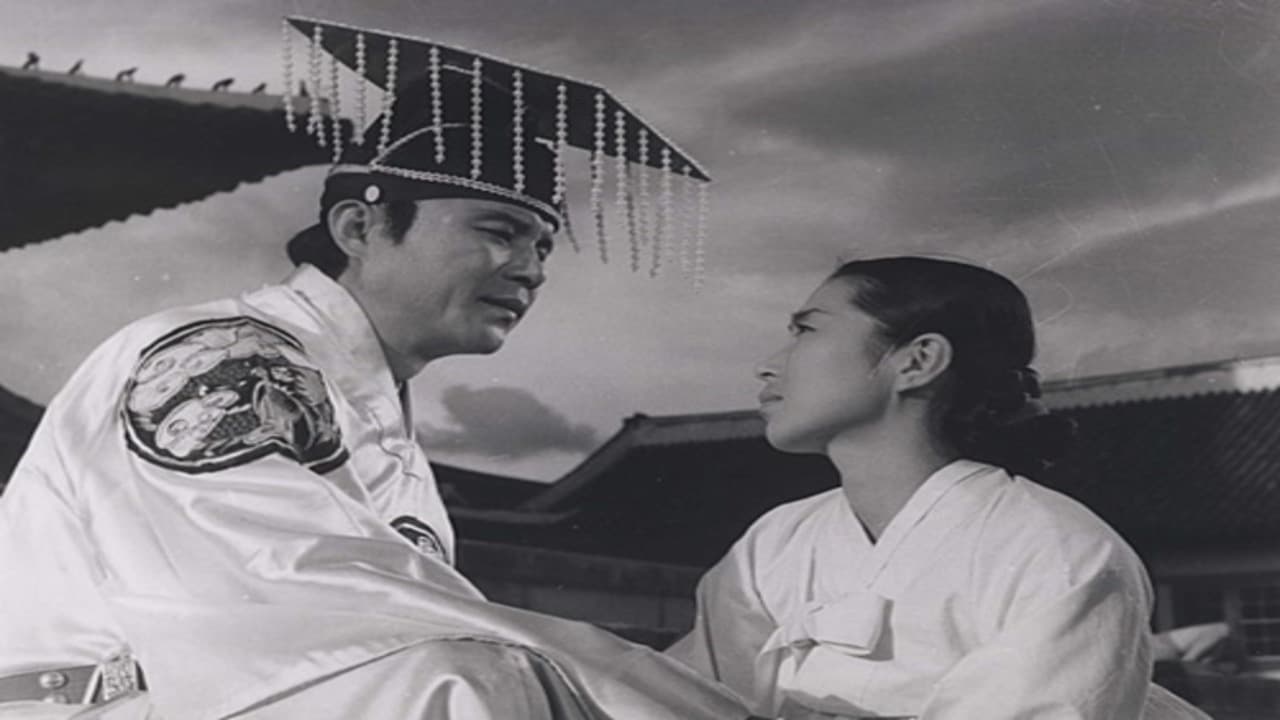
    Lady Jang Production Backdrop Cinematic Stage Snapshot
    Dynamic scene snapshot: lady-jang-production-backdrop-capture.jpg alt capture of Lady Jang

    🌟 PRINCIPAL CAST & CREW
    Kim Ji-mi playing Jang Hui-bin inside Lady Jang Review

    Kim Ji-mi
    Jang Hui-bin

    Kim Jin-kyu playing King Suk-jong inside Lady Jang Review

    Kim Jin-kyu
    King Suk-jong

    Jo Mi-ryeong playing Queen In-hyeon inside Lady Jang Review

    Jo Mi-ryeong
    Queen In-hyeon

    Ju Jeung-nyeo playing Queen In-gyeong inside Lady Jang Review

    Ju Jeung-nyeo
    Queen In-gyeong

    Hwang Jeong-sun playing Chief maid Choi inside Lady Jang Review

    Hwang Jeong-sun
    Chief maid Choi

    Gang Mi-ae playing Eun-soon inside Lady Jang Review

    Gang Mi-ae
    Eun-soon

    Main Review

    Story Analysis

    Lady Jang functions as an exquisite, slow-burn tragedy that captures the claustrophobic reality of Joseon’s inner court. Rather than rushing to the inevitable, poison-laced denouement, the screenplay builds its tension meticulously through political chess moves and psychological warfare. We watch an ambitious court lady manipulate her way into the King’s favor, challenging the established hierarchy and the virtuous, suffering Queen In-hyeon. The pacing is deliberate, allowing the audience to feel the suffocating weight of Confucian decorum and the desperate, often self-destructive maneuvers required to survive within it.

    The screenplay elegantly avoids the trap of portraying Lady Jang as a simple, cartoonish villain; instead, it frames her rise and fall as a systemic inevitability. The narrative structure mirrors the cyclical nature of political favor, demonstrating how the very mechanisms that elevate an individual can be weaponized to destroy them when the wind shifts. It is a masterclass in dramatic tension, where whispered rumors in dim corridors carry far more lethality than unsheathed swords. The narrative’s depth lies in this stark realism, refusing to offer easy moral resolutions in a court governed by survival.

    Acting Performance

    The emotional core of Lady Jang rests entirely on the legendary Kim Ji-mi, whose portrayal of Jang Hui-bin is nothing short of career-defining. Kim imbues the character with a complex mixture of vulnerable desperation and chilling calculation, ensuring she never becomes a one-dimensional antagonist. Opposite her, Kim Jin-kyu delivers a nuanced performance as King Suk-jong, portraying a monarch torn between personal passion and the heavy burden of dynastic duty. The chemistry between them is electric, shifting seamlessly from tender intimacy to icy distrust.

    Jo Mi-ryeong provides a brilliant, heart-wrenching foil as the dignified Queen In-hyeon, embodying a quiet, stoic suffering that contrasts sharply with Lady Jang’s fiery ambition. Supporting acts further enrich this royal tapestry: Ju Jeung-nyeo’s brief yet impactful presence as Queen In-gyeong anchors the early political stakes, while the venerable Hwang Jeong-sun as Chief maid Choi brings an authoritative, grounding gravity to the domestic staff. Additionally, Gang Mi-ae’s Eun-soon serves as a crucial emotional anchor, highlighting the collateral damage of royal ambition. Together, this elite ensemble transforms historical caricatures into deeply human, flawed individuals.

    Direction

    Before Jeong Chang-hwa became a legend of Hong Kong action cinema with films like ‘King Boxer’ (Five Fingers of Death), he was a master of genre-fluid storytelling in his native Korea. In Lady Jang, his direction is remarkably disciplined. Jeong avoids the visual stagnation that often plagues period pieces by utilizing dynamic framing, long takes, and a deliberate editing tempo that accentuates the psychological isolation of his characters. He establishes a tone of impending doom from the opening frames, utilizing the sprawling palace architecture not just as a historical backdrop, but as a silent, oppressive antagonist. His thematic exploration of power, gender dynamics in patriarchal Joseon, and the moral compromises of survival remains incredibly modern, showcasing a filmmaker of immense vision and structural control.

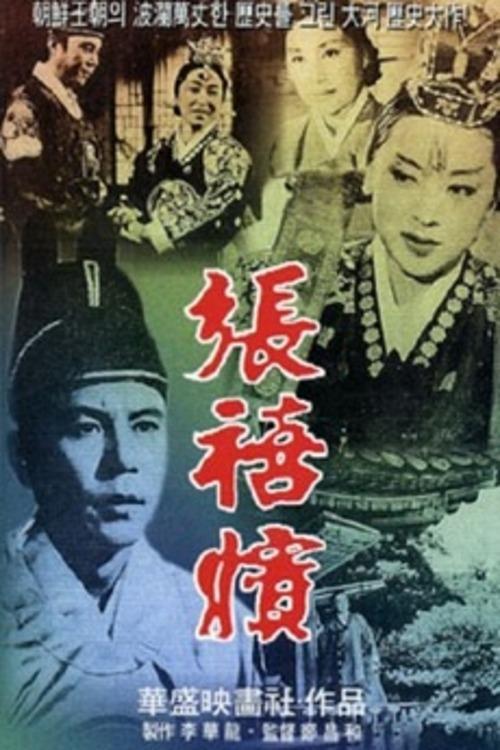
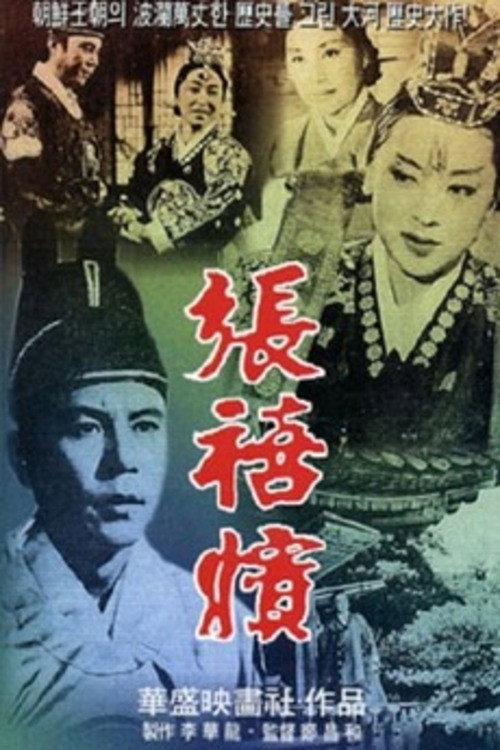
    Lady Jang Editorial Review Official Composition Cover
    Primary Visual Reference: lady-jang-official-poster-composition.jpg alt key art

    Visual Effects

    Visually, Lady Jang is a triumph of Golden Age Korean cinematography. Shot with an eye for deep shadow work and lighting depth, the film uses deep focus to keep the vastness of the royal court always in view. The camera work, guided by precise tracking shots, navigates the ornate, geometric lines of the Hanok palace architecture, emphasizing how the characters are trapped within rigid traditional boundaries. The costume design and art direction are meticulously detailed, serving a narrative purpose where the opulence of the royal robes directly correlates to a character’s rising or falling status. Every shadow cast along the paper doors (changhoji) tells a silent story of hidden motives and impending tragedy.

    Music & Soundtrack

    The auditory landscape of Lady Jang is a fascinating blend of traditional Korean instrumentation and mid-century orchestral melodrama. The musical score functions as an emotional barometer, swelling with heavy strings during moments of high domestic crisis and falling into ominous, sparse percussion when conspiracies are whispered in the dark. The sound design is equally deliberate, utilizing silence to amplify the tension. The rustle of silk robes, the heavy thud of royal seals, and the echoes of footsteps down endless wooden corridors are mixed to create a sensory experience of suffocating proximity, perfectly complementing the film’s thematic focus on surveillance and courtly paranoia.

    Strengths & Weaknesses

    🟢 KEY STRENGTHS

    • A tour de force lead performance by Kim Ji-mi, who brings remarkable psychological depth to one of Korean history’s most polarizing figures.
    • Jeong Chang-hwa’s sophisticated direction, which successfully transforms historical court drama into a gripping, atmospheric psychological thriller.
    • Meticulous set design and striking cinematography that masterfully use the palace architecture to reflect character isolation.

    🔴 AREAS OF IMPROVEMENT

    • The film’s deliberate mid-century pacing may feel slow to contemporary audiences accustomed to rapid-fire modern historical epics.
    • The melodramatic score can occasionally feel overbearing during moments that might have benefited from quieter, more understated emotion.

    Final Verdict

    Lady Jang (1961) is a cinematic treasure that demands the attention of any serious cinephile or scholar of Asian cinema. It transcends the limitations of its era through exceptional performances, razor-sharp political commentary, and a visual sophistication that feels incredibly modern. While its theatrical, melodramatic flourishes reflect the conventions of 1960s Korean cinema, the psychological depth of its characters and the sheer brilliance of Jeong Chang-hwa’s direction make it an essential, deeply rewarding watch.

    Movie Facts Table

    Property Specification Details
    Official Title Lady Jang
    Director in Chief Jeong Chang-hwa
    Country / Language South Korea / Korean
    Release Date 1961-09-23
    Thematic Genres Code Drama, History
    Registered Runtime 126 mins
    Estimated Budget N/A
    Worldwide Gross Earnings N/A

    FAQs

    Frequently asked questions on the core details of Lady Jang:

    Is ‘Lady Jang’ suitable for children?
    While the film contains no explicit content, its themes of political betrayal, psychological torture, and execution by poison make it more suitable for mature audiences and older teens.
    How does ‘Lady Jang’ compare to prior films by director Jeong Chang-hwa?
    Unlike his later, action-heavy Shaw Brothers classics like ‘King Boxer’, ‘Lady Jang’ highlights Jeong’s exceptional talent for slow-burn psychological tension, high-stakes melodrama, and intimate character dramas.
    Are there any post-credits scenes in ‘Lady Jang’?
    No, as a standard release from the Golden Age of South Korean cinema (1961), the film concludes traditionally with no post-credit sequences or modern franchise teases.

    Conclusion

    In the final analysis, Lady Jang stands as a monumental achievement in South Korean film history. It is a work that successfully bridges the gap between commercial melodrama and arthouse sophistication, offering a haunting look at the cost of ambition within a ruthless dynastic system. By centering the tragedy on human vulnerability rather than simple moralizing, Jeong Chang-hwa created an enduring masterpiece. It remains a striking reminder of the rich artistic heritage of Korea’s Golden Age, leaving an indelible mark on the landscape of cinematic tragedy.

    📢 This review was generated using the Free Edition of AI Movie Review Generator.
    Upgrade to the Pro Edition for unlimited generations, massive bulk importing, complete scheduled queues, advanced tone configurations, and high word-limit settings today for only $20 lifetime.


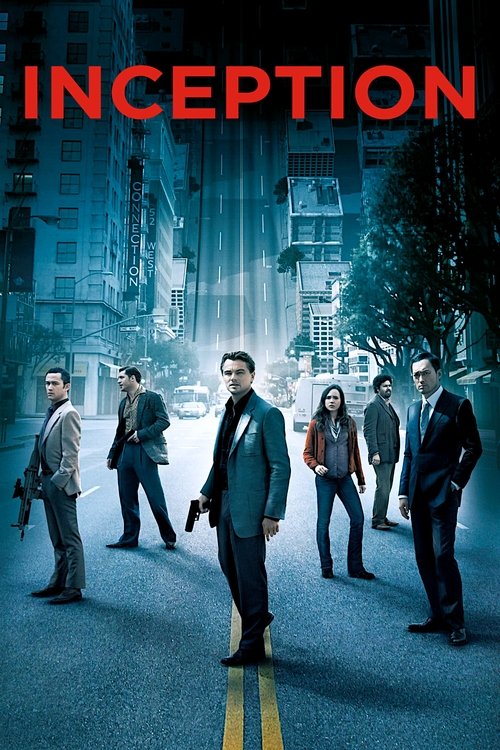
  • Detailed Review: Is Inception (2010) Worth Watching?

    Detailed Review: Is Inception (2010) Worth Watching?

    📊 CRITICS AND AUDIENCE SCORES

    8.4 /10
    Overall Review Verdict
    Based on cumulative critique benchmarks

    Press Critics Score7.9/10
    Viewer Audience Score8.5/10

    The Gravity of Subconscious Architecture: A Retrospective on Christopher Nolan’s Masterpiece

    In the summer of 2010, the cinematic landscape was irrevocably altered by a film that dared to treat the human mind not as a passive vessel of memory, but as a volatile, multi-tiered battleground. Christopher Nolan’s Inception did more than secure its place in the pantheon of science fiction; it challenged the intellectual boundaries of the Hollywood blockbuster. At a time when franchise fatigue was beginning to calcify the industry, Nolan delivered an original, cerebral heist film that operated with the precision of a Swiss watchmaker and the scale of a Greek tragedy.

    At its core, Inception is a story about the weight of ideas. It posits that the most resilient parasite is not a virus, but a concept planted in the fertile soil of the subconscious. By blending the kinetic energy of a classic caper with the existential dread of a psychological thriller, Nolan crafted a film that feels both dizzyingly complex and deeply, intimately human.

    The Anatomy of a Mental Heist

    The narrative follows Dom Cobb (Leonardo DiCaprio), a bruised, haunted specialist in “extraction”—the art of stealing valuable corporate secrets from deep within the subconscious during a target’s dream state. Cobb’s unique skills have made him a coveted player in the shadow wars of corporate espionage, but they have also turned him into a fugitive, severed from his children and anchored by the ghost of his deceased wife, Mal (Marion Cotillard).

    When a powerful energy magnate named Saito (Ken Watanabe) offers Cobb a chance to clear his name and return home, the price is seemingly impossible: instead of stealing an idea, Cobb must perform “inception”—planting a self-destructive notion so deeply into the mind of a rival heir, Robert Fischer Jr. (Cillian Murphy), that he believes it is his own. To execute this psychological surgery, Cobb assembles an elite crew of specialized architects, chemists, and actors, embarking on a descent through nested dream layers where time dilates and the laws of physics dissolve.

    A Symphony of Esoteric Personas

    The success of Inception relies heavily on its ensemble cast, each member functioning as a vital gear in Nolan’s elaborate narrative clockwork:

    • Leonardo DiCaprio (Dom Cobb): DiCaprio delivers a performance dripping with exhaustion and desperation. He plays Cobb not as a suave action hero, but as a man drowning in his own guilt, using the dream world as both a sanctuary and a prison.
    • Joseph Gordon-Levitt (Arthur): As the “point man,” Arthur represents the grounded reality of the operation. Gordon-Levitt’s physical performance, particularly in the gravity-defying hotel hallway sequence, is a masterclass in controlled elegance.
    • Elliot Page (Ariadne): Serving as the audience surrogate, Page’s Ariadne is the architect who designs the mazes of the mind. Her interactions with Cobb provide the emotional exposition needed to navigate the film’s labyrinthine rules.
    • Tom Hardy (Eames): Bringing a sharp, theatrical charisma, Hardy’s Eames is the “forger.” His bantering chemistry with Gordon-Levitt’s Arthur provides much-needed levity amidst the film’s suffocating tension.
    • Cillian Murphy (Robert Fischer, Jr.): Murphy plays the target with a fragile, tragic vulnerability. The emotional core of the film’s climax hinges not on a physical explosion, but on Fischer’s painful, cathartic reconciliation with his dying father’s projection.

    Crafting the Impossible: Nolan’s Directorial Blueprint

    Christopher Nolan’s filmography has always been obsessed with time, memory, and subjective reality. From the fractured timeline of Memento to the temporal distortion of Interstellar, Nolan uses cinematic structure to mirror his characters’ psychological states. In Inception, this thematic obsession finds its perfect canvas.

    Rather than relying solely on computer-generated imagery to depict the surreal nature of dreams, Nolan opted for practical, tactile effects wherever possible. The folding streets of Paris, the explosive cafes, and the rotating hotel corridor were constructed as massive physical sets. This commitment to practical filmmaking grounds the dreamscapes in a tangible, terrifying reality. When Arthur fights a projection in a weightless hallway, we feel the thud of every impact because the actors were genuinely grappling with gravity on a spinning centrifuge set.

    Hans Zimmer’s Sonic Anchor

    It is impossible to discuss the atmospheric triumph of Inception without analyzing Hans Zimmer’s monumental score. Built around a slowed-down, distorted iteration of Édith Piaf’s “Non, je ne regrette rien”—the song used by the characters as a countdown cue to wake up—Zimmer’s music acts as a structural pillar for the film.

    The brassy, low-register walls of sound (the now-iconic “BRAAM” sound effect that defined a decade of movie trailers) do not merely accompany the action; they dictate the rhythm of the film’s parallel timelines. As the narrative descends into deeper dream levels, the music stretches and slows, sonically representing the dilation of time where seconds in reality become hours in the subconscious.

    The Ultimate Meta-Narrative: Cinema as a Shared Dream

    For film scholars and critics, the enduring genius of Inception lies in its metatextual layer. The heist crew is not-so-subtly structured like a film production unit. Cobb is the director, pulling the strings and haunted by his own creative demons. Arthur is the producer, managing logistics and solving technical crises. Ariadne is the production designer, drafting the physical spaces of the illusion. Eames is the actor, morphing into different personalities to manipulate the audience. Saito is the studio executive, funding the entire endeavor and demanding a successful return on investment. Finally, Robert Fischer is the audience itself—entering a dark room, suspending disbelief, and leaving with an idea implanted in their mind.

    This parallel elevates Inception from a brilliant sci-fi action film to a poetic meditation on the magic of cinema. Movies are, after all, shared dreams that we experience in the dark, where hours of emotional journeying take place in a fraction of real time.

    The Final Verdict: A Modern Classic of Intellectual Gravity

    More than a decade after its release, Inception remains a towering achievement in modern cinema. It proved that audiences do not need to be spoon-fed simplified narratives; instead, they crave intellectual complexity, narrative ambition, and emotional sincerity. The film’s final, ambiguous shot of a spinning totem is not merely a clever cliffhanger, but a philosophical statement: in a world where grief and love are real, does it matter if the ground beneath our feet is a dream?

    With its impeccable pacing, breathtaking cinematography by Wally Pfister, and a screenplay that operates like a perfectly calibrated puzzle box, Inception stands as a definitive high-water mark for 21st-century filmmaking—a dream from which we still haven’t fully awakened.

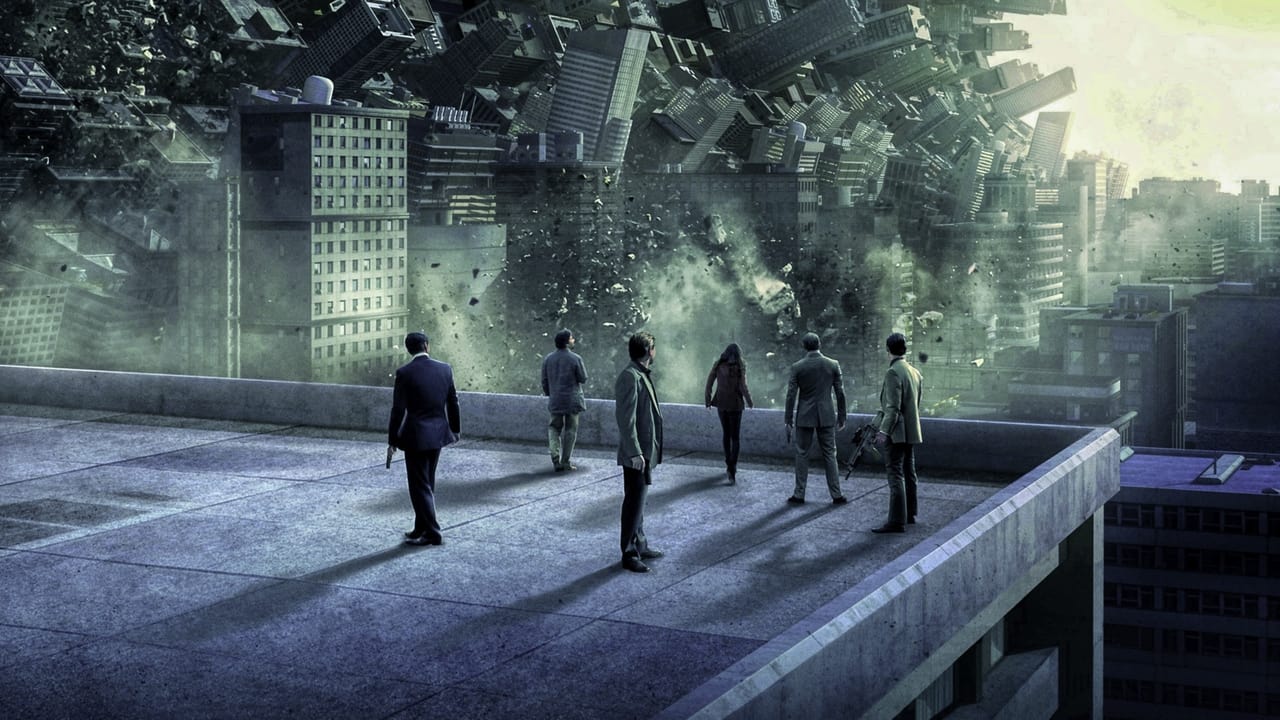
    Inception Cinematic Scene Snapshot
    Cinematic atmosphere and production scene snapshot from Inception

    📁 PRODUCTION DETAILS & BOX NOTES

    Title Name Inception
    Director Christopher Nolan
    Release Date 2010-07-15
    Running Duration 148 mins
    Primary Genres Action, Science Fiction, Adventure
    Studio Budget $160,000,000
    Production Labs Legendary Pictures, Syncopy, Warner Bros. Pictures

    🌟 METROPOLITAN CAST & ROLES

    Actor Leonardo DiCaprio

    Leonardo DiCaprio
    Dom Cobb

    Actor Joseph Gordon-Levitt

    Joseph Gordon-Levitt
    Arthur

    Actor Ken Watanabe

    Ken Watanabe
    Saito

    Actor Tom Hardy

    Tom Hardy
    Eames

    Actor Elliot Page

    Elliot Page
    Ariadne

    Actor Dileep Rao

    Dileep Rao
    Yusuf

    Actor Cillian Murphy

    Cillian Murphy
    Robert Fischer, Jr.

    Actor Tom Berenger

    Tom Berenger
    Peter Browning


    [review_advertinement_space freq=’medium’]

    ❓ FREQUENTLY ASKED QUESTIONS SUMMARY

    What is the official age rating for ‘Inception’ and is it suitable for pre-teens?
    Inception is rated PG-13 by the MPAA for sequences of violence and action. While it lacks intense gore, profanity, or sexual content, the film’s complex, non-linear narrative and intense psychological themes—such as grief, suicide, and questioning reality—may be confusing or emotionally heavy for children under the age of 12.
    Is there any plans for an ‘Inception’ sequel or spin-off?
    No, there are no plans for a sequel. Director Christopher Nolan designed ‘Inception’ to be a self-contained, standalone story. Despite the film’s massive box office success and enduring popularity, Nolan has consistently preferred to move on to original projects rather than developing franchises for his standalone films.
    Is the science of ‘dream-sharing’ and ‘inception’ depicted in the movie real?
    While ‘lucid dreaming’ (the state of being aware that you are dreaming) is a scientifically proven phenomenon, the concept of ‘dream-sharing’—using a military device and sedatives to enter someone else’s subconscious—is entirely science fiction. The film’s depiction of the mind’s architecture is a creative metaphor rather than a reflection of real-world neuroscience.
    How does the movie handle sensitive themes like mental health and suicide?
    The film deals heavily with psychological trauma, grief, and a distorted perception of reality. The character of Mal struggles with a severe inability to distinguish dreams from reality, which ultimately leads to her suicide. Parents and viewers sensitive to themes of self-harm and psychological distress should be aware that these elements are central to the emotional core of the plot.


  • Detailed Review: Is Untitled Avatar: The Last Airbender Film 2 (1970) Worth Watching?

    📊 CRITICS AND AUDIENCE SCORES

    0 /10
    Overall Review Verdict
    Based on cumulative critique benchmarks

    Press Critics Score1/10
    Viewer Audience Score1/10

    Return to the Four Nations: Why the Untitled Second ‘Avatar: The Last Airbender’ Film is Animation’s Most Audacious Gamble

    Few fictional universes carry the sacred weight of the Four Nations. When Michael Dante DiMartino and Bryan Konietzko wrapped up the original run of Avatar: The Last Airbender in 2008, they didn’t just finish a cartoon; they closed the book on a masterclass in serialized fantasy. Decades later, after live-action reinterpretations and expanded comic mythologies, the announcement of Avatar Studios’ theatrical slate felt less like a standard Hollywood franchise expansion and more like a homecoming. While the first upcoming film promises to reunite us with the adult “Gaang,” it is the highly anticipated, yet shrouded in mystery, Untitled Avatar: The Last Airbender Film 2 that represents the true litmus test for this resurrected universe.

    Without the safety net of nostalgia to carry it, this second theatrical outing must do what the franchise has always done best: evolve. To step away from the immediate shadow of Aang and Zuko’s youth is a terrifying creative risk, but it is precisely the kind of narrative boldness required to prove that the world of bending is as infinite as the elements themselves.

    Charting Unexplored Waters: What the Second Film Means for the Franchise’s Legacy

    For years, fans have debated where the story should go after the Fire Nation’s defeat. While the upcoming first film seeks to fill the gap between the original series and the industrial dawn of The Legend of Korra, the second film is poised to push past comfortable boundaries. Industry whispers suggest this installment could dive deep into the ancient past or venture into the uncharted future of the Avatar cycle.

    By shifting focus, the creative team has the opportunity to explore the cyclical nature of balance. The thematic core of the Avatar franchise has never been about simple good versus evil; it is an ongoing, philosophical meditation on how different eras cope with systemic imbalance. Whether this film unearths the brutal, uncompromising era of Avatar Kyoshi, or ventures into an entirely new epoch, the narrative demands a clean break from the familiar structures of the past. It forces us to ask: what does the world look like when the heroes we spent years loving are no longer there to save it?

    The Artistic Transition: From Television Canvas to Cinematic Splendor

    Transitioning a beloved television aesthetic to the silver screen requires more than just a resolution upgrade. The original series thrived on its hand-drawn, anime-inspired charm, which balanced slapstick humor with breathtaking, martial-arts-driven kineticism. For a feature film, the stakes are visual as much as they are narrative.

    • Choreography as Characterization: Bending is not magic; it is an extension of the body and mind. The theatrical budget allows animators to capture the nuance of Hung Gar, Northern Shaolin, Tai Chi, and Ba Gua with a level of anatomical precision never before seen in Western animation.
    • Environmental Storytelling: From the towering, stratified monoliths of Ba Sing Se to the spiritual sanctuaries of the Air Temples, the scale of the world can finally be realized with cinematic depth of field, complex lighting, and atmospheric realism.
    • Symphonic Soundscapes: The original series utilized a brilliant, culturally rich palette of traditional Asian instruments. A theatrical release demands a sweeping, orchestral expansion of these motifs, elevating the emotional resonance of every quiet sunset and cataclysmic duel.

    Visionaries and the Weight of Creative Heritage

    The success of this second feature hinges entirely on its creative stewardship. Under the banner of Avatar Studios, DiMartino and Konietzko have reclaimed the keys to their kingdom. Their historical filmography—marked by a relentless dedication to character growth and systemic world-building—suggests that they will not settle for cheap cash-ins.

    In the past, projects like The Legend of Korra proved that these creators are not afraid of alienating segments of their audience in pursuit of complex, mature storytelling. Where other studios might lean into formulaic, Minions-style comic relief to secure box office returns, Avatar Studios has consistently treated its audience with intellectual respect. The second film will undoubtedly continue this tradition, likely grappling with the psychological scars of destiny, the ethics of power, and the historical scars of imperialism.

    Anticipated Themes: Balance, Modernization, and the Cycle of Rebirth

    If the first film is a celebration of what was, the second must be a declaration of what can be. Thematic speculation points toward a deeper exploration of the Spirit World and its relationship with a rapidly changing physical world. In a cinematic landscape currently oversaturated with cynical multiverse narratives and hyper-meta humor, a sincere, earnest fantasy epic is not just refreshing—it is necessary.

    We expect this film to challenge the very concept of the Avatar. Is a singular savior model sustainable in a world that is constantly evolving? How does a new generation find its footing when the legends of the past cast such long, suffocating shadows? These are the heavy, existential questions that elevate the franchise above standard Saturday morning cartoon fare and position it alongside the greatest mythological epics of our time.

    A New Dawn for the World of Bending

    The Untitled Avatar: The Last Airbender Film 2 represents more than just a sequel; it is the cornerstone of a budding cinematic universe. It carries the immense responsibility of proving that the magic of the Four Nations does not belong to a single generation or a single group of characters. By embracing the grand, cyclical philosophy of its own lore, this film has the potential to redefine what modern theatrical animation can achieve. For fans who have spent decades waiting for a return to form, the journey is just beginning—and the wind is once again at our backs.

    📁 PRODUCTION DETAILS & BOX NOTES

    Title Name Untitled Avatar: The Last Airbender Film 2
    Director N/A
    Release Date
    Running Duration 0 mins
    Primary Genres Action, Adventure, Animation, Fantasy
    Studio Budget N/A
    Production Labs N/A


    [review_advertinement_space freq=’medium’]

    ❓ FREQUENTLY ASKED QUESTIONS SUMMARY

    What is the expected age rating and thematic maturity for the second Untitled Avatar: The Last Airbender film?
    While an official rating has not yet been assigned, the film is expected to target a PG or PG-13 rating. As Avatar Studios aims to grow with its original audience, this sequel is anticipated to explore more mature, complex themes—such as geopolitical tension, the burdens of leadership, and deeper interpersonal relationships—while remaining accessible to families.
    How does this sequel maintain lore accuracy and continuity within the established Avatar universe?
    Under the direct supervision of original creators Michael Dante DiMartino and Bryan Konietzko at Avatar Studios, the film’s production strictly adheres to the established canon of the original animated series and The Legend of Korra, ensuring that historical events, bending mechanics, and character arcs remain completely consistent.
    Will this movie set up further sequels or spin-off possibilities in the franchise?
    Yes, this film is conceived as part of a multi-picture plan by Paramount and Avatar Studios. It is designed to expand the theatrical lore, leaving open several narrative threads that can lead into future feature-length sequels, animated series, or spin-offs focusing on different Avatars throughout history.
    Is the second film suitable for young children who have not watched the original Nickelodeon shows?
    While the film will feature the vibrant animation and fantasy action the franchise is known for, it is primarily tailored as a legacy sequel. Younger children can still enjoy the visual spectacle, but the deeper plot points and character histories will be much more rewarding for those familiar with the original series.


  • Detailed Review: Is Joker (2019) Worth Watching?

    Detailed Review: Is Joker (2019) Worth Watching?

    📊 CRITICS AND AUDIENCE SCORES

    8.1 /10
    Overall Review Verdict
    Based on cumulative critique benchmarks

    Press Critics Score7.8/10
    Viewer Audience Score8.3/10

    The Anatomy of a Fracture: How Todd Phillips’ Joker Redefined the Comic Book Mythos

    When Todd Phillips’ Joker swaggered into the 76th Venice International Film Festival and walked away with the prestigious Golden Lion, it signaled a seismic shift in the cultural landscape. Up to that point, comic book adaptations were largely synonymous with the clean, computerized, and heavily serialized spectacles of the Marvel Cinematic Universe. Joker shattered that mold. It did not offer a universe to build, but rather a soul to dissect. Released in the autumn of 2019, this bleak, character-driven psychological thriller bypassed the traditional tropes of the genre, choosing instead to wallow in the grim, rain-slicked gutters of a fictionalized 1980s New York masquerading as Gotham City.

    At its core, Joker is an unsettling investigation into social alienation, systemic neglect, and the fragile boundary between tragedy and madness. It is a film that does not merely invite you to watch; it forces you to bear witness to a slow-motion human car crash, soundtracked by the low, mourning groan of a cello.

    The Descent into Madness: The Tragic Plight of Arthur Fleck

    The narrative of Joker is deceptively simple, echoing the gritty character studies of New Hollywood cinema. We follow Arthur Fleck (Joaquin Phoenix), a desperately impoverished, mentally ill man working as a clown-for-hire while living in a cramped, dilapidated apartment with his frail mother, Penny (Frances Conroy). Arthur is a man slipping through the cracks of a crumbling metropolis. Gotham is suffering from a garbage strike, a rampant crime wave, and a municipal government that is actively cutting funding for social services—including the very psychiatric medication that keeps Arthur anchored to reality.

    Arthur’s dream is to become a stand-up comedian, a aspiration fueled by his obsession with late-night talk show host Murray Franklin (Robert De Niro). However, Arthur is plagued by a neurological condition that causes him to burst into uncontrollable, painful laughter at moments of extreme stress. This laugh is not a signature of villainy; it is a symptom of trauma, a choked sob masquerading as mirth. As the world repeatedly beats, humiliates, and discards him, Arthur’s fragile psyche fractures completely, giving birth to an anarchic alter-ego that captures the dark imagination of a frustrated, boiling city.

    Joaquin Phoenix’s Transcendent Physicality

    To analyze Joker without devoting significant real estate to Joaquin Phoenix’s performance would be an act of critical malpractice. Having shed an alarming fifty pounds for the role, Phoenix weaponizes his own anatomy. His ribs protrude like the keys of a broken instrument; his spine bends in angles that suggest a marionette operated by a cruel, unseen hand.

    Phoenix does not merely play Arthur Fleck; he inhabits his physical misery. Whether he is contorting his body in a desolate public bathroom to celebrate his first violent act of self-defense, or dragging his feet through the grey Gotham slush, his performance is a masterclass in physical theater. It is a tragic, hypnotic dance of a man shedding his humanity to survive. It rightfully earned him the Academy Award for Best Actor, cementing this iteration of the character alongside Heath Ledger’s legendary performance as a definitive, yet entirely distinct, interpretation of the Clown Prince of Crime.

    Todd Phillips’ Stylistic Rebirth: From Comedies to Grim Realism

    Before 2019, Todd Phillips was primarily known as the architect of frat-boy hedonism and high-wire comedies, most notably The Hangover trilogy and Old School. His pivot to Joker remains one of the most fascinating directorial evolutions of the decade. Phillips, working alongside cinematographer Lawrence Sher, abandons the flat, bright lighting of modern blockbusters for a visual palette drenched in bile greens, nicotine yellows, and deep, bruising blues.

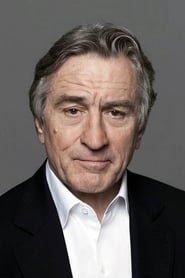
    Phillips’ directorial choices pay overt homage to the filmography of Martin Scorsese. The cinematic DNA of Taxi Driver (1976) and The King of Comedy (1982) is baked into every frame of Joker. By casting Robert De Niro as the smug late-night host Murray Franklin, Phillips pulls off a brilliant piece of meta-textual irony: the man who once played Rupert Pupkin—the delusional, spotlight-starved stalker of The King of Comedy—is now the establishment figure gatekeeping the stage from a new generation of desperate outcasts.

    A Stellar Supporting Ensemble

    While Phoenix occupies almost every frame of the film, the supporting cast provides the essential friction that grinds Arthur down.

    • Frances Conroy (Penny Fleck): Plays Arthur’s mother with a tragic, delicate delusion that hides the dark secrets of Arthur’s childhood.
    • Robert De Niro (Murray Franklin): Embodies the cruel, performative warmth of media elites who exploit the vulnerable for ratings.
    • Zazie Beetz (Sophie Dumond): Serves as Arthur’s neighbor, offering a glimpse of warmth and normalcy that is ultimately revealed to be a haunting projection of his isolated mind.
    • Brett Cullen (Thomas Wayne): Portrays the billionaire patriarch not as a saintly philanthropist, but as a cold, aristocratic politician who views Gotham’s impoverished classes with thinly veiled disgust.

    The Symbiotic Power of Score and Cinematography

    The oppressive atmosphere of Joker is heavily elevated by its technical triumphs. Hildur Guðnadóttir’s haunting, melancholic score—dominated by solo cello performances—acts as the voice of Arthur’s subconscious. It does not manipulate the audience’s emotions; rather, it drags them down into the damp, dark basement of Arthur’s mind. The music feels ancient, heavy, and inevitable.

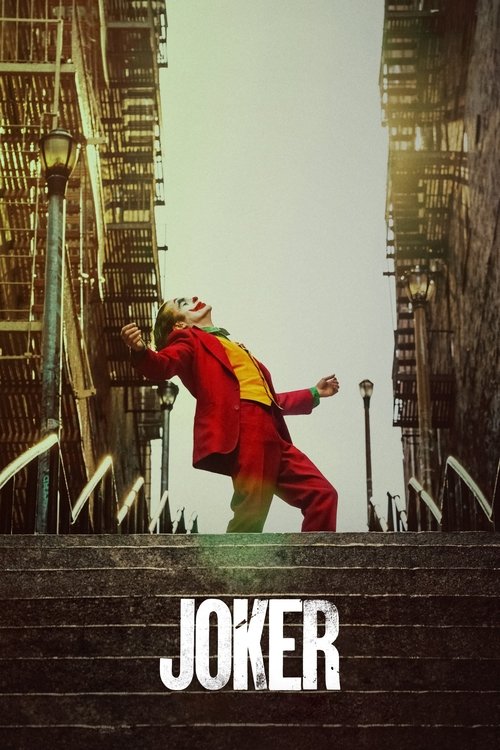
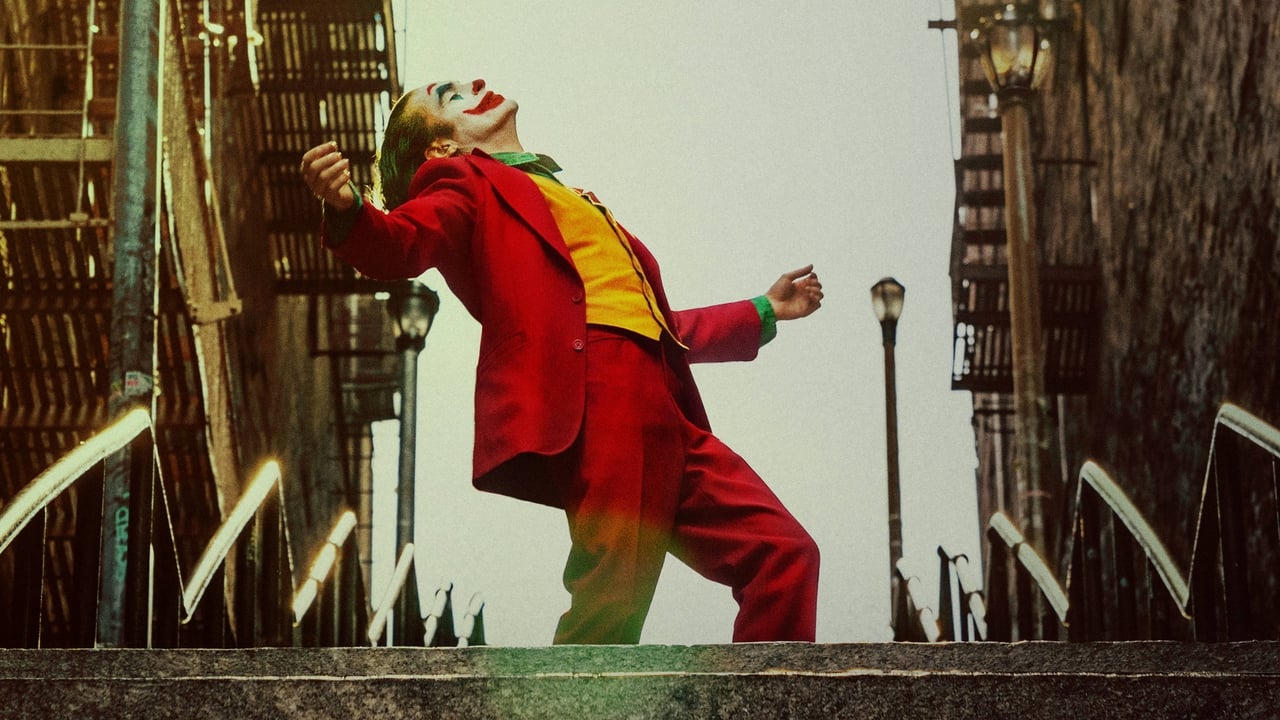
    Coupled with Lawrence Sher’s claustrophobic framing, the film captures a city that is actively swallowing its inhabitants. The recurring motif of the concrete stairs that Arthur must painfully climb to reach his home serves as a perfect metaphor for his existence. When he finally descends those same stairs, fully transformed into the Joker, dancing to Gary Glitter’s “Rock and Roll Part 2,” it is a chillingly triumphant moment of complete moral surrender.

    The Controversial Legacy of a Modern Masterpiece

    Upon its release, Joker ignited a fierce cultural debate. Critics questioned whether the film was a dangerous glorification of incel violence or a profound critique of a society that abandons its most vulnerable citizens. Yet, looking back, the film’s power lies precisely in its ambiguity. It does not validate Arthur’s violence; it traces the anatomy of how that violence is manufactured by an uncaring system.

    Ultimately, Joker stands as a towering achievement in modern cinema. It proved that audiences are starved for mid-budget, mature, and uncompromising stories, grossing over a billion dollars worldwide despite its R-rating. It is a uncomfortable, gorgeous, and deeply vital piece of filmmaking that lingers in the mind long after the final, blood-soaked laugh fades to black.

    Joker Cinematic Scene Snapshot
    Cinematic atmosphere and production scene snapshot from Joker

    📁 PRODUCTION DETAILS & BOX NOTES

    Title Name Joker
    Director Todd Phillips
    Release Date 2019-10-01
    Running Duration 122 mins
    Primary Genres Crime, Thriller, Drama
    Studio Budget $55,000,000
    Production Labs Warner Bros. Pictures, Joint Effort, Village Roadshow Pictures, Bron Studios, DC Films

    🌟 METROPOLITAN CAST & ROLES

    Actor Joaquin Phoenix

    Joaquin Phoenix
    Arthur Fleck

    Actor Robert De Niro

    Robert De Niro
    Murray Franklin

    Actor Zazie Beetz

    Zazie Beetz
    Sophie Dumond

    Actor Frances Conroy

    Frances Conroy
    Penny Fleck

    Actor Brett Cullen

    Brett Cullen
    Thomas Wayne

    Actor Shea Whigham

    Shea Whigham
    Detective Burke

    Actor Bill Camp

    Bill Camp
    Detective Garrity

    Actor Glenn Fleshler

    Glenn Fleshler
    Randall


    [review_advertinement_space freq=’medium’]

    ❓ FREQUENTLY ASKED QUESTIONS SUMMARY

    Is ‘Joker’ suitable for children, and what is its official age rating?
    No, ‘Joker’ is not suitable for children. It is rated R for strong bloody violence, disturbing behavior, language, and brief sexual images. Unlike traditional PG-13 superhero movies, it is a gritty psychological drama aimed strictly at mature audiences.
    What thematic maturity and trigger warnings should viewers be aware of?
    The film deals heavily with mature and sensitive themes, including severe mental illness, societal neglect, physical abuse, intense social isolation, and graphic gun violence. The psychological descent of the main character can be deeply unsettling for some viewers.
    Is there a sequel to ‘Joker’, and does it connect to other Batman films?
    Yes, a sequel titled ‘Joker: Folie à Deux’ was released in 2024, co-starring Lady Gaga. However, these films are standalone projects under the ‘DC Elseworlds’ brand and do not connect to any other DC Extended Universe (DCEU) films or Robert Pattinson’s ‘The Batman’.
    How accurate is the film’s storyline to the original DC comic books?
    The film is an original origin story not directly adapted from any single comic book. While it takes loose inspiration from the 1988 graphic novel ‘Batman: The Killing Joke’ regarding a failed comedian’s descent into madness, it departs significantly from traditional DC lore to create a grounded, realistic character study.


  • Detailed Review: Is Gladiator II (2024) Worth Watching?

    Detailed Review: Is Gladiator II (2024) Worth Watching?

    📊 CRITICS AND AUDIENCE SCORES

    6.6 /10
    Overall Review Verdict
    Based on cumulative critique benchmarks

    Press Critics Score6.6/10
    Viewer Audience Score7.4/10

    The Ghost in the Arena: How Ridley Scott Reclaims the Grandeur of Rome in Gladiator II

    Twenty-four years is a lifetime in cinema. When Ridley Scott’s original Gladiator conquered the box office and the Academy Awards in 2000, it didn’t just revive the dead “sword-and-sandal” genre; it defined a cinematic era with its sun-drenched, dust-choked aesthetic and operatic tragedy. To return to the Colosseum now feels like an act of immense artistic daring—or perhaps mad hubris. Yet, in Gladiator II, Scott proves that his appetite for historical spectacle remains as voracious as ever, delivering a sequel that is heavier, bloodier, and fascinatingly more cynical than its predecessor.

    Where the original film was a clean-cut epic of personal vengeance and restored honor, this sequel is a sprawling, Shakespearean tragedy about the rot at the heart of empire. It is a film obsessed with the weight of shadows, particularly the one cast by Russell Crowe’s Maximus Decimus Meridius. By stepping back into this arena, Scott does not merely repeat his greatest hits; he interrogates the very myth of Rome he helped construct at the turn of the millennium.

    A Republic of Dust: The Premise and the Prodigal Son

    The narrative engine of Gladiator II ignites years after Maximus drew his final breath on the blood-soaked sands of the Colosseum. We find Lucius (played with a simmering, physical intensity by Paul Mescal), the secret heir to Rome, living under an assumed identity in Numidia, North Africa. He has abandoned his birthright, seeking solace in a quiet life with his wife. But Rome’s thirst for expansion is unquenchable. Led by the weary yet ruthless General Acacius (Pedro Pascal), the Roman imperial war machine decimates Lucius’s adopted home, leaving him widowed, enslaved, and burning with a familiar, toxic desire for revenge.

    Purchased by the enigmatic, scheming ludus owner Macrinus (Denzel Washington), Lucius is dragged back to the beating heart of the empire he was destined to rule. But this is not the Rome of Marcus Aurelius’s dreams. This is a decaying playground run by twin tyrants: the petulant, painted, and utterly unhinged co-emperors Geta (Joseph Quinn) and Caracalla (Fred Hechinger). As Lucius fights his way through the ranks of the arena, his mother, Lucilla (Connie Nielsen, returning with a regal, heartbreaking grace), sits in the shadows of the court, trying to navigate a conspiracy to save Rome from its own self-destruction.

    The screenwriting by David Scarpa understands that a sequel cannot simply replicate the emotional beats of the original without feeling hollow. Instead, it flips the dynamic. Maximus fought to restore the Republic; Lucius fights because he has lost faith that the Republic was ever worth saving. It is a darker, more modern thematic landscape wrapped in the gold-trimmed silk of antiquity.

    Ancient Roman Colosseum ruins under a dramatic sky

    The Director’s Hand: Ridley Scott’s Late-Career Ferocity

    At an age when most directors have long since retired to retrospective panels, Ridley Scott continues to direct with the kinetic energy of a filmmaker half his age. Gladiator II sits comfortably alongside the best of his recent historical epics, capturing both the gritty mud of The Last Duel and the sweeping, tactical scale of Kingdom of Heaven.

    Scott’s mastery of the frame remains unparalleled. Working with cinematographer John Mathieson, he replaces the golden, nostalgic hues of the 2000 film with a sharper, more oppressive color palette. The sun still beats down on the sand, but it feels harsher now—bleaching the bones of an empire in terminal decline. Scott also elevates the action to nightmarish new heights. From a terrifying naval battle held within a flooded Colosseum to brutal encounters with genetically mutated baboons and a armored rhinoceros, the action is visceral, physical, and captured with a clarity that puts modern, CGI-heavy blockbusters to shame.

    A Masterclass in Contrast: The Cast of Gladiator II

    The success of this sequel rests heavily on its performances, and Scott has assembled a cast that balances classical theatricality with raw, contemporary grit:

    • Paul Mescal (Lucius): Known for his quiet, devastating turns in indie dramas like Aftersun and Normal People, Mescal undergoes a jaw-dropping physical transformation here. He brings a bruised, animalistic vulnerability to the role of Lucius. He does not try to copy Russell Crowe’s booming authority; instead, he plays Lucius as a man hollowed out by grief, fighting with a reckless abandon that makes every strike in the arena feel desperately dangerous.
    • Denzel Washington (Macrinus): Simply put, Washington walks away with the entire movie. Playing a former slave who has climbed the social ladder to become a wealthy gladiator broker and political puppet master, Denzel delivers a performance of purring, venomous brilliance. He treats every line of dialogue like a delicious meal, vibrating with ambition and a quiet, terrifying malice. It is a masterclass in screen presence.
    • Pedro Pascal (General Acacius): Pascal provides the tragic, moral heart of the film. Acacius is not a villain, but a soldier exhausted by decades of endless conquest. Pascal plays him with a heavy, mournful dignity that serves as the perfect foil to the chaotic energy of the arena.
    • Joseph Quinn & Fred Hechinger (Emperors Geta and Caracalla): This duo channels the absolute worst of Roman decadence. Playing the sibling rulers as a pair of petulant, syphilitic children, they inject a grotesque, pitch-black humor into the court scenes, evoking the historical madness of Caligula and Nero.

    Thematic Resonance: The Rot of the “Dream of Rome”

    While the first film asked us to believe in the “Dream of Rome”—an idealized beacon of justice and senate-led democracy—Gladiator II is deeply skeptical of such political myths. Through the eyes of both Lucius and Macrinus, we see that Rome’s grandeur is built entirely on the backs of the conquered. The senate, represented once again by the steadfast Senator Gracchus (Derek Jacobi), is powerless against the populism of the arena.

    The Colosseum in this film is not just an amphitheater; it is a mass-distraction machine designed to keep the populace drunk on blood while the state collapses. This thematic layer gives the film a chilling contemporary relevance. It suggests that when a society trades its democratic values for the cheap thrills of spectacle, it prepares the ground for its own ruin.

    Gladiator II: Quick Review Card

    Aspect Critic’s Take
    Director Ridley Scott (Strikes back with his most energetic epic in years)
    Standout Performance Denzel Washington as the Machiavellian Macrinus
    Visual Style Visceral, grand-scale action utilizing practical sets and stunning cinematography
    Key Themes The weight of legacy, imperial decay, the corruption of power, and political distraction
    Our Rating ★★★★☆ (4.5 / 5 Stars)

    The Verdict

    Gladiator II is a triumphant, thunderous achievement that justifies its own existence by refusing to live in the shadow of the original. Instead of trying to resurrect the unique magic of Russell Crowe’s Maximus, Ridley Scott focuses on the systemic rot that followed his death. Backed by a career-defining, scenery-chewing performance from Denzel Washington and a deeply soulful physical turn from Paul Mescal, this is a cinematic spectacle of the highest order.

    It is a reminder of what big-budget filmmaking can be when guided by a singular, uncompromising artistic vision. For those who seek blood, honor, and the roaring thunder of the arena, Scott delivers a feast that is both thrillingly entertaining and intellectually haunting. Rome has risen once again, and it is glorious.

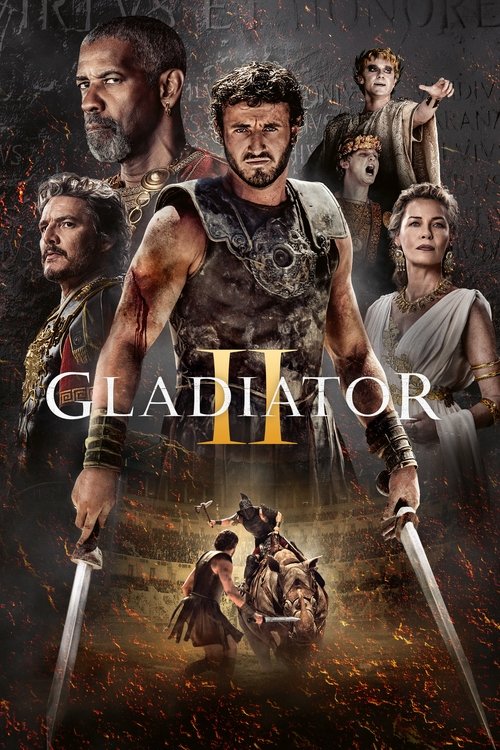
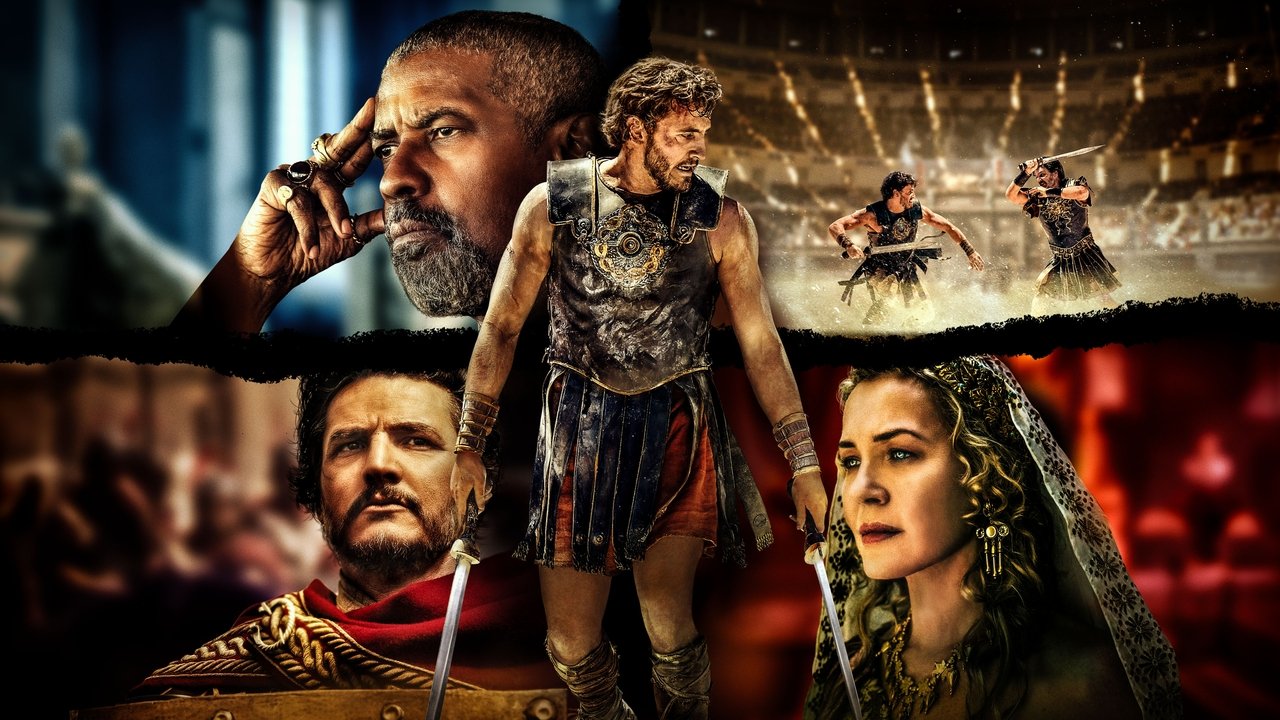
    Gladiator II Cinematic Scene Snapshot
    Cinematic atmosphere and production scene snapshot from Gladiator II

    📁 PRODUCTION DETAILS & BOX NOTES

    Title Name Gladiator II
    Director Ridley Scott
    Release Date 2024-11-13
    Running Duration 148 mins
    Primary Genres Action, Adventure, Drama
    Studio Budget $310,000,000
    Production Labs Paramount Pictures, Scott Free Productions, Lucy Fisher/Douglas Wick Productions

    🌟 METROPOLITAN CAST & ROLES

    Actor Paul Mescal

    Paul Mescal
    Lucius

    Actor Denzel Washington

    Denzel Washington
    Macrinus

    Actor Pedro Pascal

    Pedro Pascal
    General Acacius

    Actor Connie Nielsen

    Connie Nielsen
    Lucilla

    Actor Joseph Quinn

    Joseph Quinn
    Emperor Geta

    Actor Fred Hechinger

    Fred Hechinger
    Emperor Caracalla

    Actor Lior Raz

    Lior Raz
    Viggo

    Actor Derek Jacobi

    Derek Jacobi
    Gracchus


    [review_advertinement_space freq=’medium’]

    ❓ FREQUENTLY ASKED QUESTIONS SUMMARY

    What is the official age rating for ‘Gladiator II’ and is it suitable for younger viewers?
    ‘Gladiator II’ is rated R for strong bloody violence and intense science of combat. Like the original film, it features graphic gladiatorial battles, decapitations, and substantial gore, making it unsuitable for children and sensitive viewers.
    How historically accurate is ‘Gladiator II’?
    While the film is set during the real co-reign of Emperors Caracalla and Geta, it prioritizes cinematic spectacle over strict historical accuracy. Many events, timelines, and battle sequences—such as sharks in a flooded Colosseum—are heavily fictionalized or exaggerated for dramatic effect.
    Do you need to watch the first ‘Gladiator’ movie to understand ‘Gladiator II’?
    While ‘Gladiator II’ features a self-contained plot, watching the original film is highly recommended. The sequel’s protagonist, Lucius (played by Paul Mescal), is the grown-up son of Lucilla and nephew of Commodus from the first movie, and his emotional journey is deeply tied to the legacy of Maximus.
    Are there plans for a ‘Gladiator 3’ or does ‘Gladiator II’ end the franchise?
    Director Ridley Scott has already expressed strong interest in making a third film, stating that he has begun developing ideas for ‘Gladiator III’ that would explore the political fallout of the second film’s climax, much like the progression of ‘The Godfather II’.


  • Detailed Review: Is Singham Returns (2014) Worth Watching?

    Detailed Review: Is Singham Returns (2014) Worth Watching?

    📊 CRITICS AND AUDIENCE SCORES

    6.1 /10
    Overall Review Verdict
    Based on cumulative critique benchmarks

    Press Critics Score5.7/10
    Viewer Audience Score6.5/10

    Singham Returns Review: Rohit Shetty’s High-Octane Sermon on Justice and Populist Rage

    When Bajirao Singham steps out of a swirling vortex of dust, accompanied by a thunderous, Sanskrit-infused background score, it isn’t merely an entrance; it is a celluloid exorcism of middle-class anxiety. Released on the symbolic canvas of Independence Day in 2014, Rohit Shetty’s Singham Returns arrived at a socio-political flashpoint in India. The nation was grappling with systemic fatigue, anger against bureaucratic paralysis, and the corrosive influence of black money. In this landscape, Ajay Devgn’s titular character returned not just as a Deputy Commissioner of Police, but as the ultimate blue-collar savior—a roaring, khaki-clad deity tasked with cleansing the Aegean stables of political corruption.

    Unlike its 2011 predecessor, which focused on localized feudal tyranny in Shivgarh, Singham Returns shifts its battleground to the sprawling, rain-slicked concrete jungle of Mumbai. This geographical transition alters the film’s DNA. The sequel swaps rustic melodrama for a gritty, procedural-adjacent conspiracy thriller, albeit one wrapped in Shetty’s trademark aesthetic of flying cars and gravity-defying machismo. It is a film that operates on pure, kinetic adrenaline, presenting a fascinating study of how mainstream commercial cinema packages populist anger into two hours of cathartic violence.

    The Narrative Engine: Black Money and the Pulpit of Patriotism

    The plot of Singham Returns is deceptively simple but structurally heavy. It follows DCP Bajirao Singham as he investigates the suspicious death of a young, honest police constable discovered in an ambulance laden with bags of unaccounted cash. This tragedy leads Singham directly into a web of political deception spun by the insidious alliance between a fraudulent spiritual guru, Swami Ji (played with theatrical menace by Amole Gupte), and a corrupt politician, Prakash Rao (Zakir Hussain). Standing as the sole moral beacon against this alliance is the idealistic political reformer Guruji (Anupam Kher), whose vision for a clean democracy makes him an immediate target for the status quo.

    What elevates the narrative beyond a standard cops-and-robbers chase is its thematic preoccupation with “black money”—the shadow economy that funds political campaigns and cripples national progress. Shetty and his screenwriters tap directly into the zeitgeist of the early 2010s anti-corruption movements. The film positions the police force not as a tool of state oppression, but as the last line of defense for the common citizen. It is a cinematic fantasy where the systemic delays of the judiciary are bypassed in favor of instant, righteous retribution on the streets of Mumbai.

    Ajay Devgn’s Gravity vs. Rohit Shetty’s Gravitational Defiance

    The Stoic Might of Bajirao Singham

    At the center of this storm is Ajay Devgn, whose performance remains the anchor that prevents the film’s bombast from drifting into self-parody. Devgn possesses a unique, volcanic screen presence; his eyes convey a silent, simmering fury before his fists ever make contact. Where other action heroes rely on hyperbolic dialogue delivery, Devgn underplays Singham’s authority. He carries the weight of the uniform with a somber dignity, making his eventual outbursts—marked by the iconic “Aata majhi satakli”—all the more explosive. His physicality is grounded, making the punishing action sequences feel earned rather than gratuitous.

    The Architecture of Rohit Shetty’s Action

    Director Rohit Shetty is often criticized for his reliance on explosive spectacle, but to dismiss his craft is to misunderstand the grammar of Indian mass action cinema. In Singham Returns, Shetty refines his visual style. The action is cleaner, the editing is sharper, and the use of the Mumbai landscape—particularly the iconic Bandra-Worli Sea Link—is spectacular. Shetty treats his action sequences like musical numbers, orchestrating choreography, slow-motion framing, and vehicle pyrotechnics into a symphony of destruction. It is a hyper-real universe where Scorpio SUVs flip in perfect synchronicity, yet within the logic of the film, it feels entirely natural.

    Performative Balance: From Demagoguery to Comic Relief

    The supporting cast of Singham Returns offers a stark contrast of textures. Amole Gupte, as the duplicitous Swami Ji, delivers a performance bordering on the operatic. He is a caricature of religious hypocrisy, yet Gupte plays him with such greasy, manipulative relish that he becomes a thoroughly hateable antagonist. Conversely, Anupam Kher brings a quiet, tragic dignity to the film as Guruji, representing the dying light of Nehruvian idealism in a world of cutthroat realpolitik.

    However, the film stumbles slightly in its attempt to balance grim political reality with commercial levity. Kareena Kapoor Khan, playing Singham’s love interest Avni Kamat, is relegated to a manic-pixie comic-relief archetype. While her effervescence offers a breather from the film’s otherwise tense atmosphere, her subplots—centering on dietary anxieties and misunderstandings—often feel like they belong to a completely different movie. Despite this, her chemistry with Devgn remains warm and affectionate, grounding the fierce cop in a domestic reality.

    Special mention must be made of the ensemble cast playing the police department, particularly Dayanand Shetty (of CID fame) as Inspector Daya. His inclusion is a delightful nod to Indian television pop culture, and his door-breaking prowess is utilized to maximum cinematic effect, eliciting cheers from the gallery.

    Director Rohit Shetty’s Visual Signature and the Genesis of a Universe

    To understand the significance of Singham Returns, one must look at Rohit Shetty’s broader filmography. This film marks the crucial transitional phase where Shetty evolved from a director of disparate blockbusters into the architect of India’s first cohesive cinematic universe.

    • The Cop Universe Blueprint: While 2011’s Singham was a standalone remake of a Tamil hit, Singham Returns was engineered as an original property designed to scale. It laid the narrative and stylistic groundwork for what would eventually welcome Simmba (Ranveer Singh) and Sooryavanshi (Akshay Kumar).
    • The Maturation of Style: Moving away from the saturated, hyper-colorful palette of the Golmaal series, Shetty adopts a cooler, steel-grey and blue color grading in this sequel. The rain-drenched streets of Mumbai provide a moody, noir-lite backdrop that suits the film’s darker themes of political assassination and financial fraud.
    • A Musical Manifesto: The soundtrack, particularly the roaring title track by Meet Bros Anjjan and the high-energy “Aata Majhi Satakli” by Yo Yo Honey Singh, served as powerful marketing tools that amplified the film’s populist appeal.

    Singham Returns: Key Production Details & Cast

    Aspect Details
    Director Rohit Shetty
    Lead Cast Ajay Devgn, Kareena Kapoor Khan, Amole Gupte, Anupam Kher, Dayanand Shetty
    Release Date August 15, 2014 (Independence Day)
    Genre Action / Political Thriller
    Cinematography Dudley
    Key Themes Anti-Corruption, Black Money, Police Reforms, Vigilante Justice

    The Verdict: A Masterclass in Mass-Entertainer Filmmaking

    Ultimately, Singham Returns is a roaring success of its genre. It doesn’t pretend to be an intellectual deconstruction of Indian politics; instead, it is a visceral, emotionally satisfying punch to the gut of systemic corruption. It validates the anger of the common man, offering a cinematic oasis where justice is swift, incorruptible, and delivered with a resounding slap.

    Through the lens of film scholarship, the movie stands as a testament to Ajay Devgn’s enduring legacy as an action icon and Rohit Shetty’s unparalleled understanding of the Indian mass pulse. It is loud, it is unapologetic, and it is executed with a level of technical precision that commands respect. For fans of high-octane Bollywood action, Singham Returns remains a modern gold standard—a film where the roar of the lion is matched only by the roar of the audience.

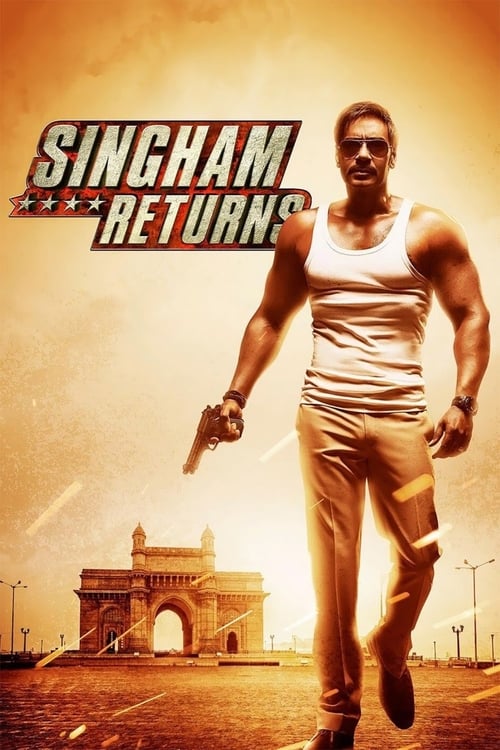
    Singham Returns Cinematic Scene Snapshot
    Cinematic atmosphere and production scene snapshot from Singham Returns

    📁 PRODUCTION DETAILS & BOX NOTES

    Title Name Singham Returns
    Director Rohit Shetty
    Release Date 2014-08-15
    Running Duration 142 mins
    Primary Genres Action
    Studio Budget $13,000,000
    Production Labs Reliance Entertainment, Ajay Devgn FFilms

    🌟 METROPOLITAN CAST & ROLES

    Actor Ajay Devgn

    Ajay Devgn
    Bajirao Singham

    Actor Kareena Kapoor Khan

    Kareena Kapoor Khan
    Avni Kamat

    Actor Amole Gupte

    Amole Gupte
    Swami Ji

    Actor Anupam Kher

    Anupam Kher
    Guruji

    Actor Vineet Sharma

    Vineet Sharma
    Sub-Inspector Dev Phadnis

    Actor Dayanand Shetty

    Dayanand Shetty
    Daya

    Actor Zakir Hussain

    Zakir Hussain
    Prakash Rao

    Actor Mahesh Manjrekar

    Mahesh Manjrekar
    CM Vikram Adhikari


    [review_advertinement_space freq=’medium’]

    ❓ FREQUENTLY ASKED QUESTIONS SUMMARY

    What is the age rating for ‘Singham Returns’ and is it suitable for family viewing?
    ‘Singham Returns’ is rated U/A in India, meaning it is suitable for viewers of all ages but parental guidance is advised for children under 12. The film contains frequent, loud action sequences, stylized violence, gun battles, and intense physical combat, as well as themes of political corruption, which might be overwhelming or difficult to follow for very young children.
    Is the plot of ‘Singham Returns’ based on a true story or real-life events?
    No, ‘Singham Returns’ is a work of fiction. While it draws inspiration from real-world socio-political issues in India—such as black money, political corruption, and the exploitation of public trust by fraudulent spiritual leaders—the characters, storyline, and over-the-top action sequences are entirely dramatized for cinematic purposes.
    What mature or sensitive themes are depicted in the movie?
    The film deals with several mature thematic elements, including political conspiracies, police corruption, and a fraudulent religious cult leader who manipulates public faith for personal and political gain. It also features depictions of grief, political assassinations, and the murder of an honest young constable.
    Does ‘Singham Returns’ have a sequel, and how does it connect to other films?
    Yes, ‘Singham Returns’ is the second installment in Rohit Shetty’s ‘Cop Universe’. It is preceded by ‘Singham’ (2011) and followed by ‘Singham Again’ (2024). The main character, DCP Bajirao Singham, also crosses over into other films within this shared cinematic universe, including ‘Simmba’ (2018) and ‘Sooryavanshi’ (2021).


  • ncks.ksnsd.kvnds.kvns.kc

    ncks.ksnsd.kvnds.kvns.kc

    f nkdfdlfvmdf/lms/lmsd/csd/csdcsd/cs/dc/sdsd

  • lhacscnsd.csd. sd

    lhacscnsd.csd. sd

    dnkcdsnc.kdnc.skd csdncskdcnsldkncdssmsdkn sdknksdc;sdc

  • ihdahacliah

    ihdahacliah

    fsefwkcscskcckscm;scm;lcaldxc