📊 CRITICS AND AUDIENCE SCORES
The Gravity of Subconscious Architecture: A Retrospective on Christopher Nolan’s Masterpiece
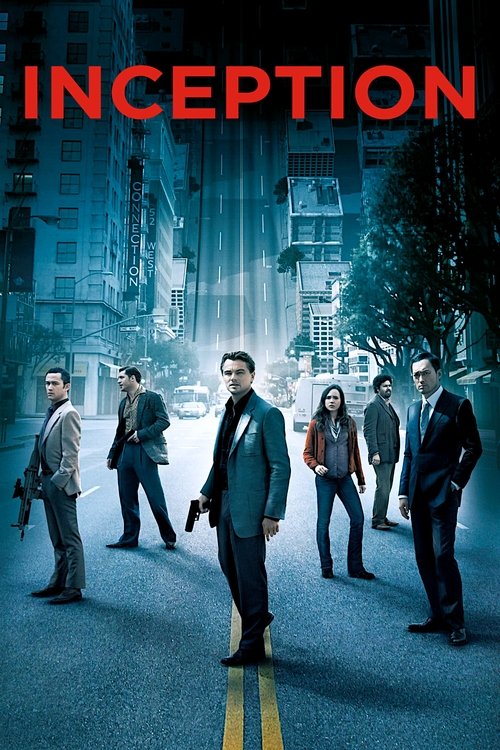
In the summer of 2010, the cinematic landscape was irrevocably altered by a film that dared to treat the human mind not as a passive vessel of memory, but as a volatile, multi-tiered battleground. Christopher Nolan’s Inception did more than secure its place in the pantheon of science fiction; it challenged the intellectual boundaries of the Hollywood blockbuster. At a time when franchise fatigue was beginning to calcify the industry, Nolan delivered an original, cerebral heist film that operated with the precision of a Swiss watchmaker and the scale of a Greek tragedy.
At its core, Inception is a story about the weight of ideas. It posits that the most resilient parasite is not a virus, but a concept planted in the fertile soil of the subconscious. By blending the kinetic energy of a classic caper with the existential dread of a psychological thriller, Nolan crafted a film that feels both dizzyingly complex and deeply, intimately human.
The Anatomy of a Mental Heist
The narrative follows Dom Cobb (Leonardo DiCaprio), a bruised, haunted specialist in “extraction”—the art of stealing valuable corporate secrets from deep within the subconscious during a target’s dream state. Cobb’s unique skills have made him a coveted player in the shadow wars of corporate espionage, but they have also turned him into a fugitive, severed from his children and anchored by the ghost of his deceased wife, Mal (Marion Cotillard).
When a powerful energy magnate named Saito (Ken Watanabe) offers Cobb a chance to clear his name and return home, the price is seemingly impossible: instead of stealing an idea, Cobb must perform “inception”—planting a self-destructive notion so deeply into the mind of a rival heir, Robert Fischer Jr. (Cillian Murphy), that he believes it is his own. To execute this psychological surgery, Cobb assembles an elite crew of specialized architects, chemists, and actors, embarking on a descent through nested dream layers where time dilates and the laws of physics dissolve.
A Symphony of Esoteric Personas
The success of Inception relies heavily on its ensemble cast, each member functioning as a vital gear in Nolan’s elaborate narrative clockwork:
- Leonardo DiCaprio (Dom Cobb): DiCaprio delivers a performance dripping with exhaustion and desperation. He plays Cobb not as a suave action hero, but as a man drowning in his own guilt, using the dream world as both a sanctuary and a prison.
- Joseph Gordon-Levitt (Arthur): As the “point man,” Arthur represents the grounded reality of the operation. Gordon-Levitt’s physical performance, particularly in the gravity-defying hotel hallway sequence, is a masterclass in controlled elegance.
- Elliot Page (Ariadne): Serving as the audience surrogate, Page’s Ariadne is the architect who designs the mazes of the mind. Her interactions with Cobb provide the emotional exposition needed to navigate the film’s labyrinthine rules.
- Tom Hardy (Eames): Bringing a sharp, theatrical charisma, Hardy’s Eames is the “forger.” His bantering chemistry with Gordon-Levitt’s Arthur provides much-needed levity amidst the film’s suffocating tension.
- Cillian Murphy (Robert Fischer, Jr.): Murphy plays the target with a fragile, tragic vulnerability. The emotional core of the film’s climax hinges not on a physical explosion, but on Fischer’s painful, cathartic reconciliation with his dying father’s projection.
Crafting the Impossible: Nolan’s Directorial Blueprint
Christopher Nolan’s filmography has always been obsessed with time, memory, and subjective reality. From the fractured timeline of Memento to the temporal distortion of Interstellar, Nolan uses cinematic structure to mirror his characters’ psychological states. In Inception, this thematic obsession finds its perfect canvas.
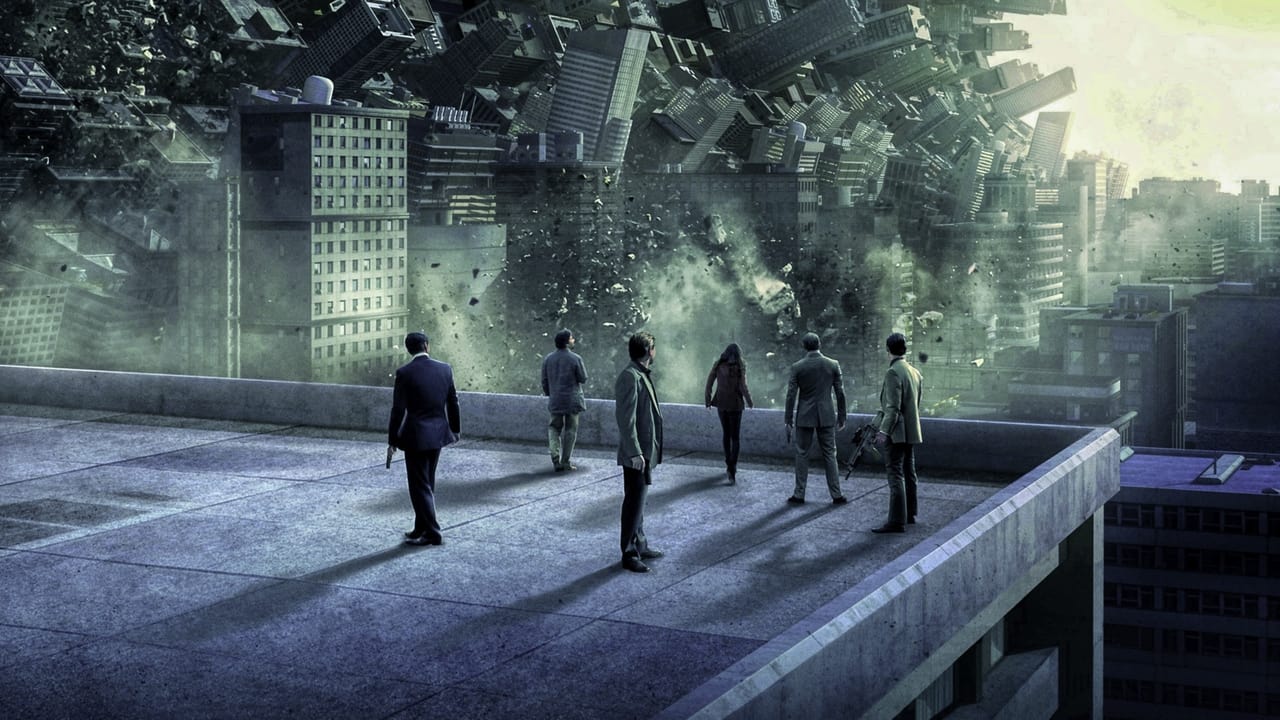
Rather than relying solely on computer-generated imagery to depict the surreal nature of dreams, Nolan opted for practical, tactile effects wherever possible. The folding streets of Paris, the explosive cafes, and the rotating hotel corridor were constructed as massive physical sets. This commitment to practical filmmaking grounds the dreamscapes in a tangible, terrifying reality. When Arthur fights a projection in a weightless hallway, we feel the thud of every impact because the actors were genuinely grappling with gravity on a spinning centrifuge set.
Hans Zimmer’s Sonic Anchor
It is impossible to discuss the atmospheric triumph of Inception without analyzing Hans Zimmer’s monumental score. Built around a slowed-down, distorted iteration of Édith Piaf’s “Non, je ne regrette rien”—the song used by the characters as a countdown cue to wake up—Zimmer’s music acts as a structural pillar for the film.
The brassy, low-register walls of sound (the now-iconic “BRAAM” sound effect that defined a decade of movie trailers) do not merely accompany the action; they dictate the rhythm of the film’s parallel timelines. As the narrative descends into deeper dream levels, the music stretches and slows, sonically representing the dilation of time where seconds in reality become hours in the subconscious.
The Ultimate Meta-Narrative: Cinema as a Shared Dream
For film scholars and critics, the enduring genius of Inception lies in its metatextual layer. The heist crew is not-so-subtly structured like a film production unit. Cobb is the director, pulling the strings and haunted by his own creative demons. Arthur is the producer, managing logistics and solving technical crises. Ariadne is the production designer, drafting the physical spaces of the illusion. Eames is the actor, morphing into different personalities to manipulate the audience. Saito is the studio executive, funding the entire endeavor and demanding a successful return on investment. Finally, Robert Fischer is the audience itself—entering a dark room, suspending disbelief, and leaving with an idea implanted in their mind.
This parallel elevates Inception from a brilliant sci-fi action film to a poetic meditation on the magic of cinema. Movies are, after all, shared dreams that we experience in the dark, where hours of emotional journeying take place in a fraction of real time.
The Final Verdict: A Modern Classic of Intellectual Gravity
More than a decade after its release, Inception remains a towering achievement in modern cinema. It proved that audiences do not need to be spoon-fed simplified narratives; instead, they crave intellectual complexity, narrative ambition, and emotional sincerity. The film’s final, ambiguous shot of a spinning totem is not merely a clever cliffhanger, but a philosophical statement: in a world where grief and love are real, does it matter if the ground beneath our feet is a dream?
With its impeccable pacing, breathtaking cinematography by Wally Pfister, and a screenplay that operates like a perfectly calibrated puzzle box, Inception stands as a definitive high-water mark for 21st-century filmmaking—a dream from which we still haven’t fully awakened.
📁 PRODUCTION DETAILS & BOX NOTES
| Title Name | Inception |
|---|---|
| Director | Christopher Nolan |
| Release Date | 2010-07-15 |
| Running Duration | 148 mins |
| Primary Genres | Action, Science Fiction, Adventure |
| Studio Budget | $160,000,000 |
| Production Labs | Legendary Pictures, Syncopy, Warner Bros. Pictures |
🌟 METROPOLITAN CAST & ROLES







[review_advertinement_space freq=’medium’]
❓ FREQUENTLY ASKED QUESTIONS SUMMARY
Leave a Reply