Introduction
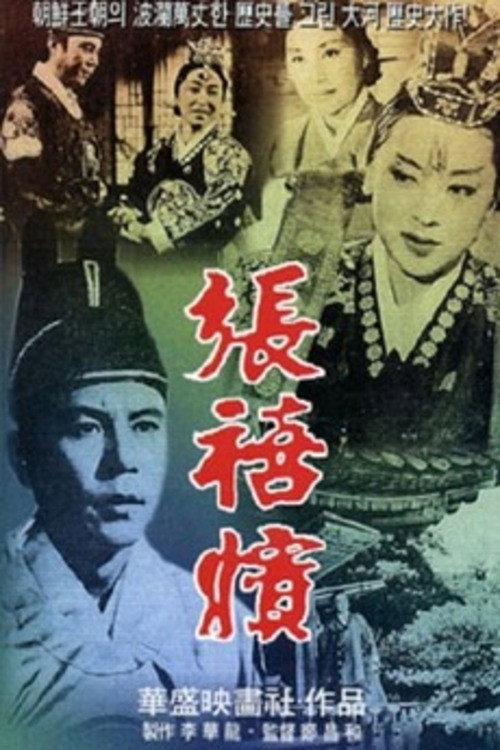
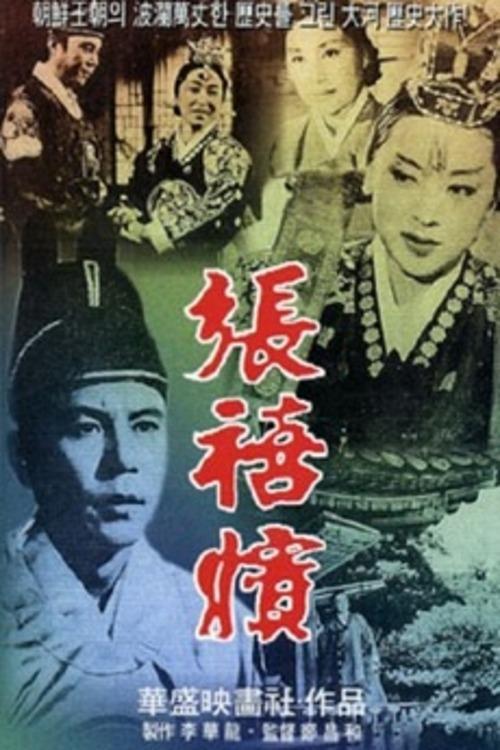
Mid-century Korean cinema, often heralded as the nation’s first Golden Age, was a hotbed of emotional realism and grand historical narratives. In 1961, director Jeong Chang-hwa—who would later gain international fame for his legendary martial arts films with the Shaw Brothers—crafted ‘Lady Jang’ (Jang Hui-bin), a sweeping, tragic examination of Joseon Dynasty politics. Centering on the infamous, polarizing historical figure of Jang Ok-jung, the film balances operatic melodrama with sharp political machinations. It remains a watershed moment in South Korean historical cinema, demonstrating how personal ambition and institutional cruelty intersect within the royal court. Jeong’s direction elevates the standard palace drama into an existential battleground, setting high expectations for modern viewers looking to explore the roots of Korean cinematic excellence.


Main Review
Story Analysis
Lady Jang functions as an exquisite, slow-burn tragedy that captures the claustrophobic reality of Joseon’s inner court. Rather than rushing to the inevitable, poison-laced denouement, the screenplay builds its tension meticulously through political chess moves and psychological warfare. We watch an ambitious court lady manipulate her way into the King’s favor, challenging the established hierarchy and the virtuous, suffering Queen In-hyeon. The pacing is deliberate, allowing the audience to feel the suffocating weight of Confucian decorum and the desperate, often self-destructive maneuvers required to survive within it.
The screenplay elegantly avoids the trap of portraying Lady Jang as a simple, cartoonish villain; instead, it frames her rise and fall as a systemic inevitability. The narrative structure mirrors the cyclical nature of political favor, demonstrating how the very mechanisms that elevate an individual can be weaponized to destroy them when the wind shifts. It is a masterclass in dramatic tension, where whispered rumors in dim corridors carry far more lethality than unsheathed swords. The narrative’s depth lies in this stark realism, refusing to offer easy moral resolutions in a court governed by survival.
Acting Performance
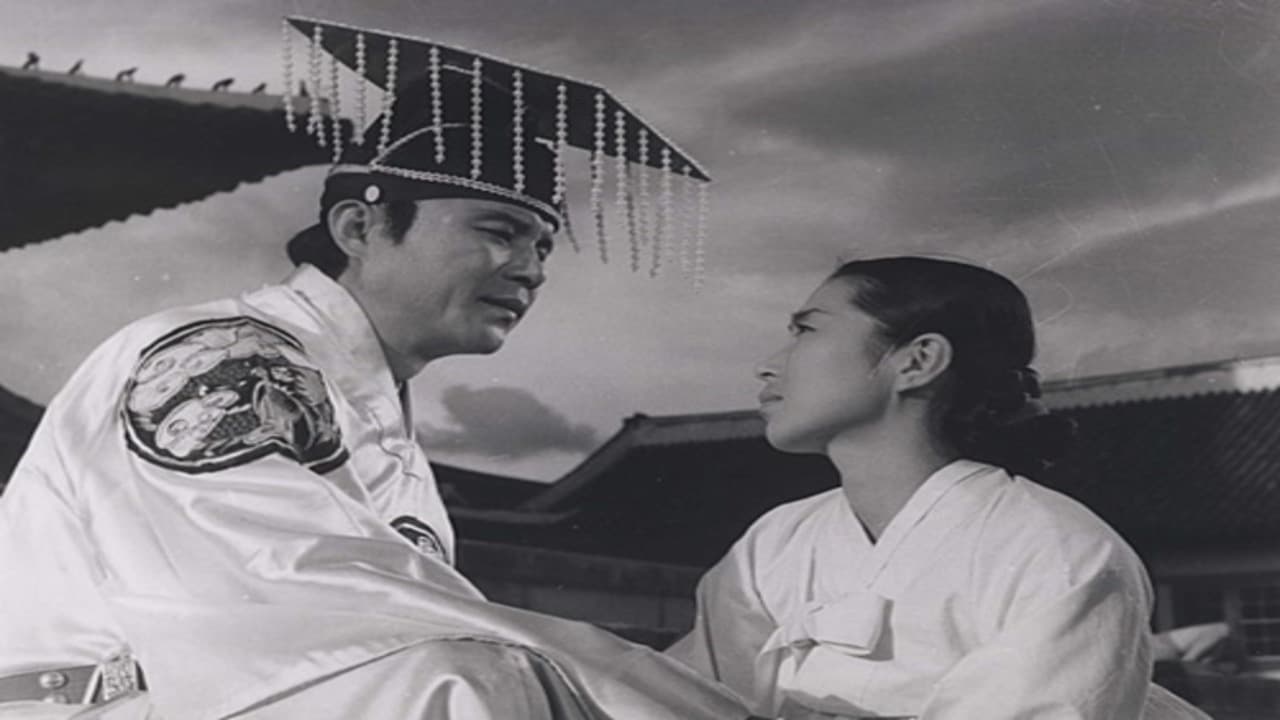
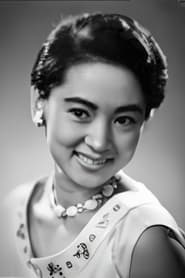
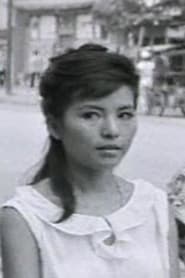
The emotional core of Lady Jang rests entirely on the legendary Kim Ji-mi, whose portrayal of Jang Hui-bin is nothing short of career-defining. Kim imbues the character with a complex mixture of vulnerable desperation and chilling calculation, ensuring she never becomes a one-dimensional antagonist. Opposite her, Kim Jin-kyu delivers a nuanced performance as King Suk-jong, portraying a monarch torn between personal passion and the heavy burden of dynastic duty. The chemistry between them is electric, shifting seamlessly from tender intimacy to icy distrust.
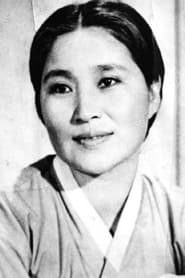
Jo Mi-ryeong provides a brilliant, heart-wrenching foil as the dignified Queen In-hyeon, embodying a quiet, stoic suffering that contrasts sharply with Lady Jang’s fiery ambition. Supporting acts further enrich this royal tapestry: Ju Jeung-nyeo’s brief yet impactful presence as Queen In-gyeong anchors the early political stakes, while the venerable Hwang Jeong-sun as Chief maid Choi brings an authoritative, grounding gravity to the domestic staff. Additionally, Gang Mi-ae’s Eun-soon serves as a crucial emotional anchor, highlighting the collateral damage of royal ambition. Together, this elite ensemble transforms historical caricatures into deeply human, flawed individuals.
Direction
Before Jeong Chang-hwa became a legend of Hong Kong action cinema with films like ‘King Boxer’ (Five Fingers of Death), he was a master of genre-fluid storytelling in his native Korea. In Lady Jang, his direction is remarkably disciplined. Jeong avoids the visual stagnation that often plagues period pieces by utilizing dynamic framing, long takes, and a deliberate editing tempo that accentuates the psychological isolation of his characters. He establishes a tone of impending doom from the opening frames, utilizing the sprawling palace architecture not just as a historical backdrop, but as a silent, oppressive antagonist. His thematic exploration of power, gender dynamics in patriarchal Joseon, and the moral compromises of survival remains incredibly modern, showcasing a filmmaker of immense vision and structural control.
Visual Effects
Visually, Lady Jang is a triumph of Golden Age Korean cinematography. Shot with an eye for deep shadow work and lighting depth, the film uses deep focus to keep the vastness of the royal court always in view. The camera work, guided by precise tracking shots, navigates the ornate, geometric lines of the Hanok palace architecture, emphasizing how the characters are trapped within rigid traditional boundaries. The costume design and art direction are meticulously detailed, serving a narrative purpose where the opulence of the royal robes directly correlates to a character’s rising or falling status. Every shadow cast along the paper doors (changhoji) tells a silent story of hidden motives and impending tragedy.
Music & Soundtrack
The auditory landscape of Lady Jang is a fascinating blend of traditional Korean instrumentation and mid-century orchestral melodrama. The musical score functions as an emotional barometer, swelling with heavy strings during moments of high domestic crisis and falling into ominous, sparse percussion when conspiracies are whispered in the dark. The sound design is equally deliberate, utilizing silence to amplify the tension. The rustle of silk robes, the heavy thud of royal seals, and the echoes of footsteps down endless wooden corridors are mixed to create a sensory experience of suffocating proximity, perfectly complementing the film’s thematic focus on surveillance and courtly paranoia.
Strengths & Weaknesses
🟢 KEY STRENGTHS
- A tour de force lead performance by Kim Ji-mi, who brings remarkable psychological depth to one of Korean history’s most polarizing figures.
- Jeong Chang-hwa’s sophisticated direction, which successfully transforms historical court drama into a gripping, atmospheric psychological thriller.
- Meticulous set design and striking cinematography that masterfully use the palace architecture to reflect character isolation.
🔴 AREAS OF IMPROVEMENT
- The film’s deliberate mid-century pacing may feel slow to contemporary audiences accustomed to rapid-fire modern historical epics.
- The melodramatic score can occasionally feel overbearing during moments that might have benefited from quieter, more understated emotion.
Final Verdict
Lady Jang (1961) is a cinematic treasure that demands the attention of any serious cinephile or scholar of Asian cinema. It transcends the limitations of its era through exceptional performances, razor-sharp political commentary, and a visual sophistication that feels incredibly modern. While its theatrical, melodramatic flourishes reflect the conventions of 1960s Korean cinema, the psychological depth of its characters and the sheer brilliance of Jeong Chang-hwa’s direction make it an essential, deeply rewarding watch.
Movie Facts Table
| Property | Specification Details |
|---|---|
| Official Title | Lady Jang |
| Director in Chief | Jeong Chang-hwa |
| Country / Language | South Korea / Korean |
| Release Date | 1961-09-23 |
| Thematic Genres Code | Drama, History |
| Registered Runtime | 126 mins |
| Estimated Budget | N/A |
| Worldwide Gross Earnings | N/A |
FAQs
Frequently asked questions on the core details of Lady Jang:
Conclusion
In the final analysis, Lady Jang stands as a monumental achievement in South Korean film history. It is a work that successfully bridges the gap between commercial melodrama and arthouse sophistication, offering a haunting look at the cost of ambition within a ruthless dynastic system. By centering the tragedy on human vulnerability rather than simple moralizing, Jeong Chang-hwa created an enduring masterpiece. It remains a striking reminder of the rich artistic heritage of Korea’s Golden Age, leaving an indelible mark on the landscape of cinematic tragedy.